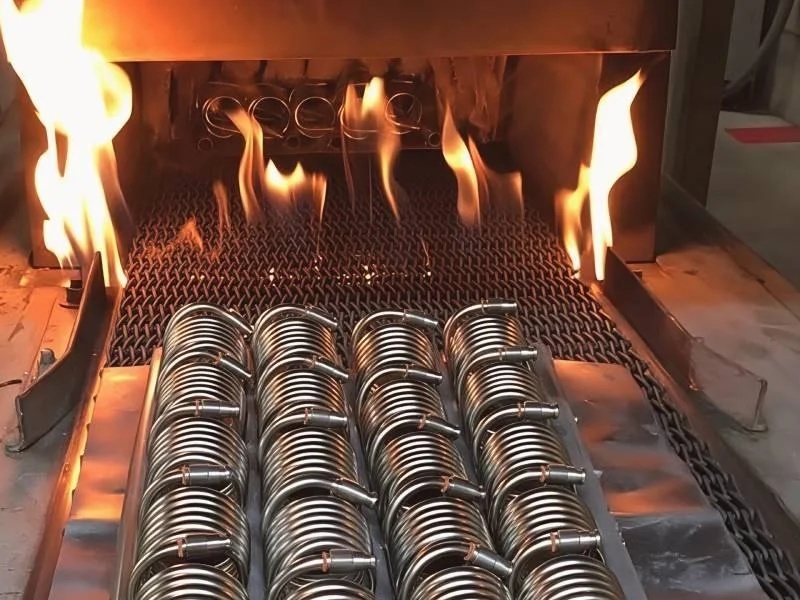
Furnace brazing service provides strong, precise, and oxidation-free metal joints using controlled heat and atmosphere in an industrial furnace.
Furnace brazing is a precision joining process performed in a temperature-controlled furnace with a protective atmosphere to prevent oxidation. It produces clean, strong, and reliable joints with excellent dimensional consistency. This process is ideal for complex, multi-joint assemblies and high-volume production across various industries.
Cheque,NEFT, RTGS
Key Attributes
- Joint Strength Up to 500 MPa
- Temperature uniformity ±5°C
- Atmosphere Control Efficiency >99%
- Corrosion Resistance High (meets ASTM standards)
- Dimensional Accuracy ±0.1 mm
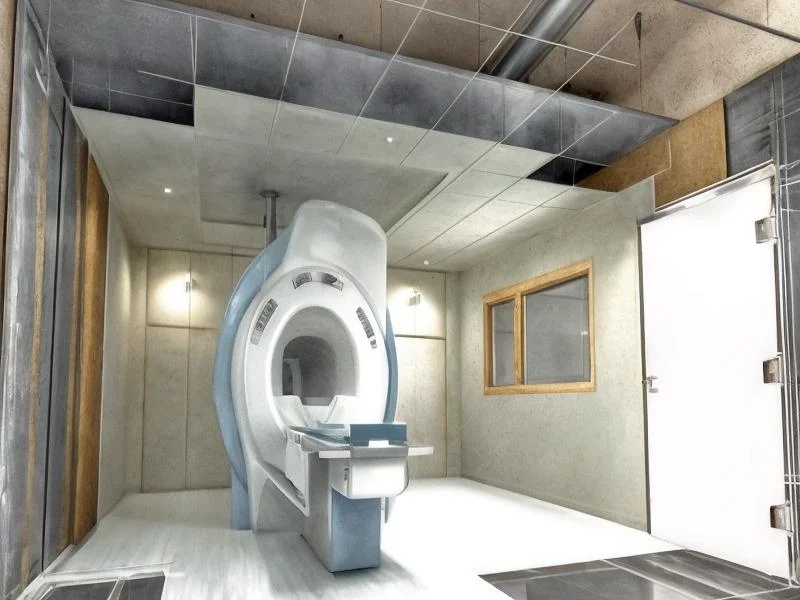
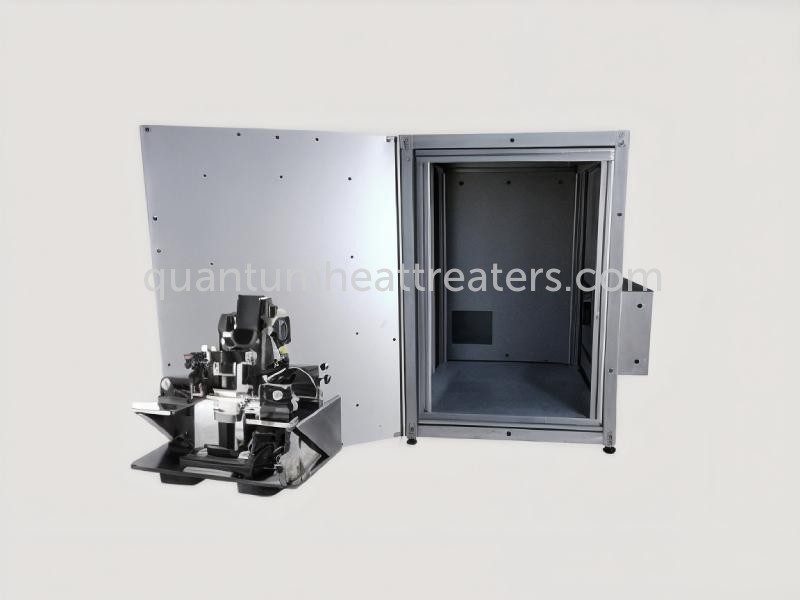
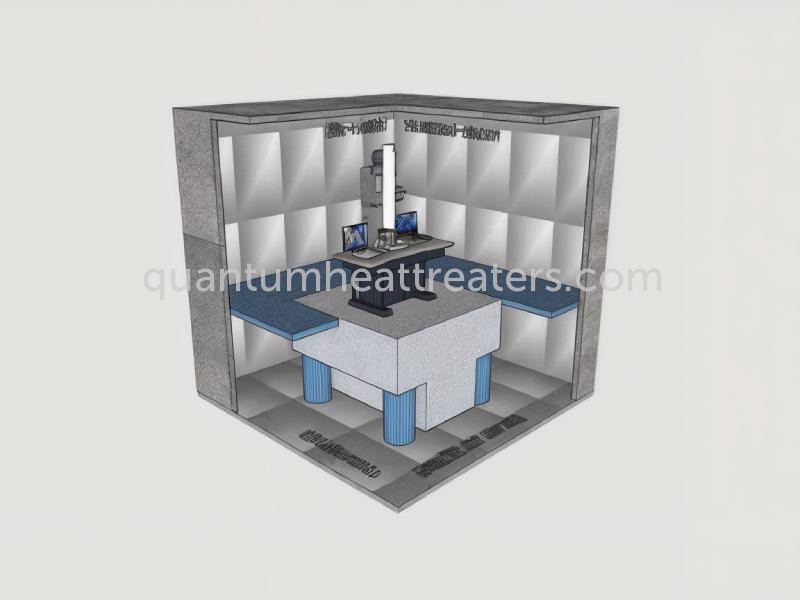
We provide advanced magnetic shielding services that minimize magnetic interference, ensuring precision, stability, and reliable performance for sensitive equipment and industrial applications.
Our magnetic shielding service is designed to suppress unwanted magnetic fields and protect sensitive instruments from electromagnetic interference. We utilize high-quality shielding materials and advanced engineering techniques to achieve superior attenuation. Tailored solutions ensure compatibility with diverse industrial needs while maintaining reliability and precision.
Cash,Cheque
Key Attributes
- Attenuation efficiency 99.9%
- Customization options 100%
- Material compatibility 10+
- Precision tolerance ±1%
- Durability 10+ years
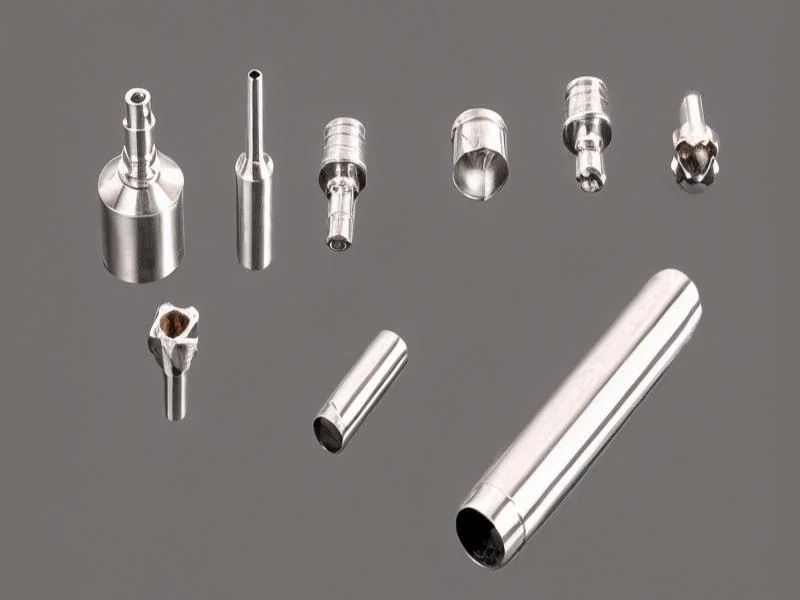
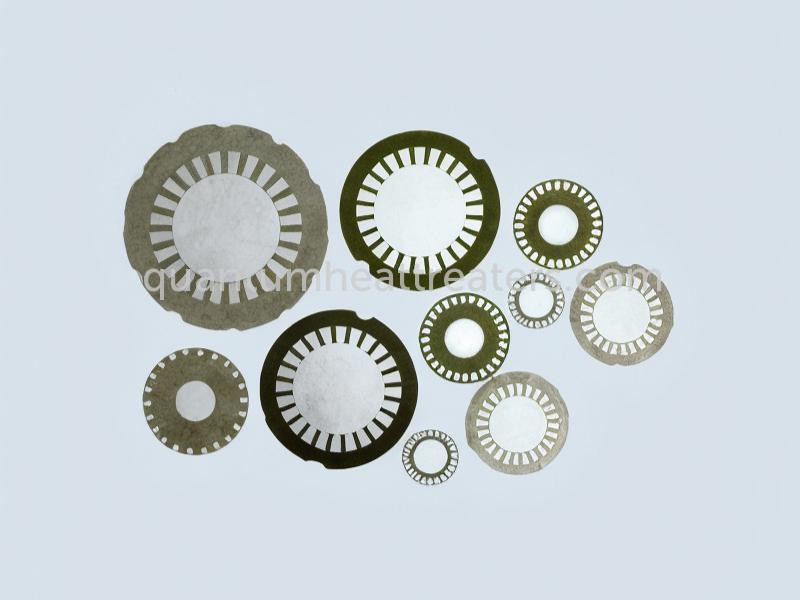
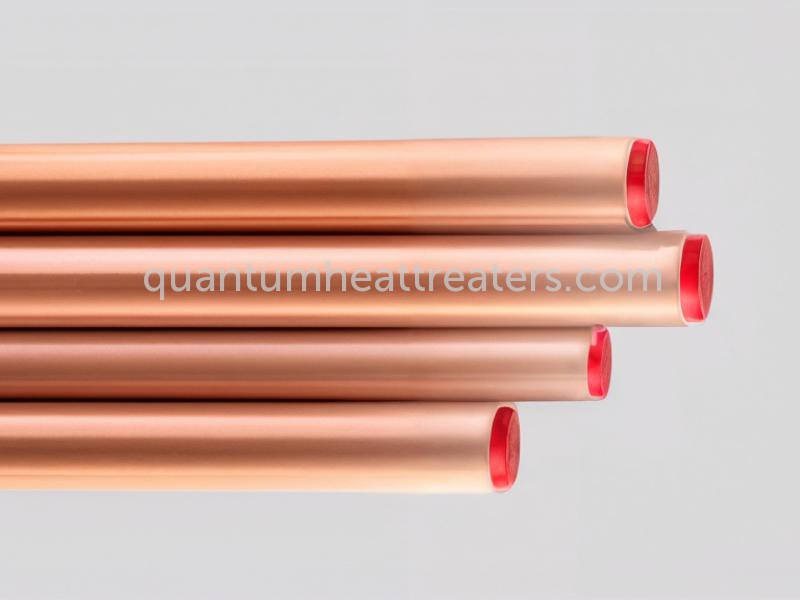
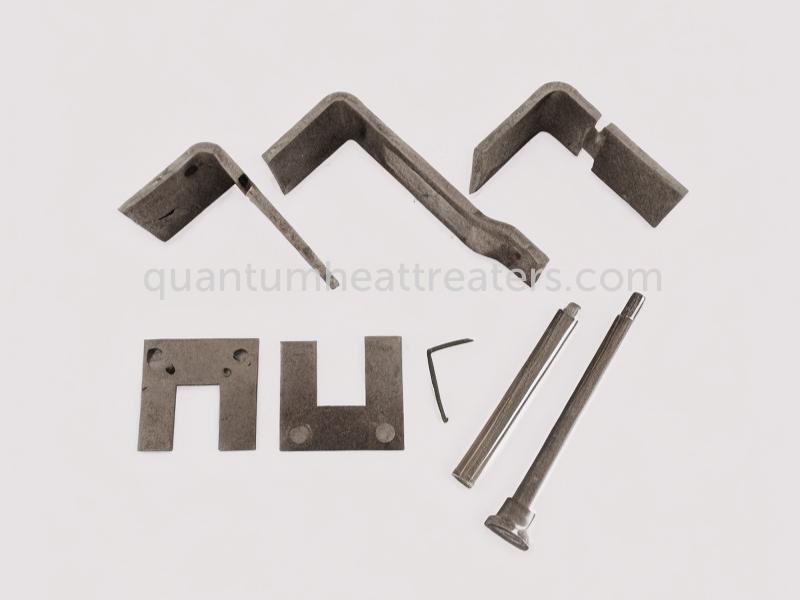
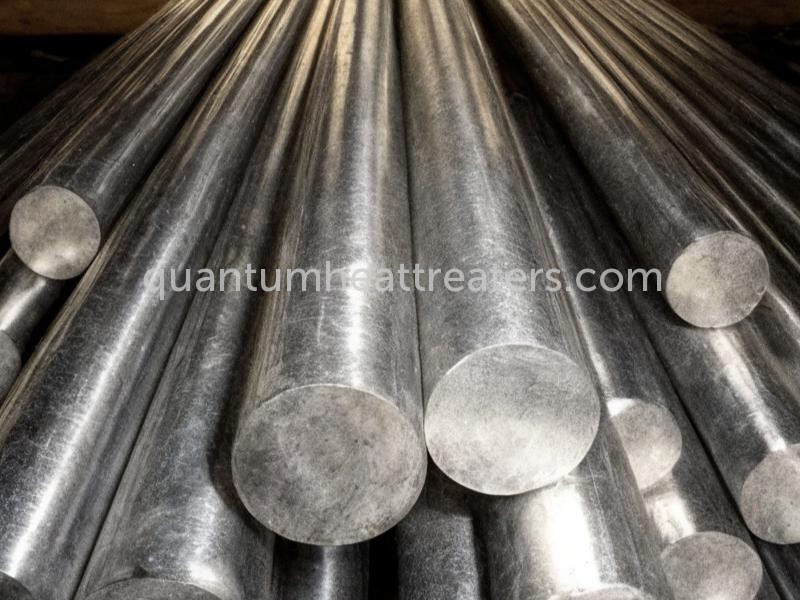
We provide precision hydrogen annealing services to enhance ductility, reduce stress, and improve the electrical and magnetic properties of metals using controlled hydrogen atmosphere technology.
Our hydrogen annealing service ensures the controlled treatment of metals in a pure hydrogen atmosphere to achieve superior quality and performance. The process removes oxides, improves electrical conductivity, relieves internal stresses, and enhances ductility. With advanced furnace systems and precise atmosphere control, we deliver consistent results for critical industrial and electronic applications.
Cash,Cheque
Key Attributes
- Purity of hydrogen atmosphere 99.99%
- Temperature uniformity ±5°C
- Oxidation reduction efficiency 95%
- Surface finish improvement 90%
- Process repeatability 100%
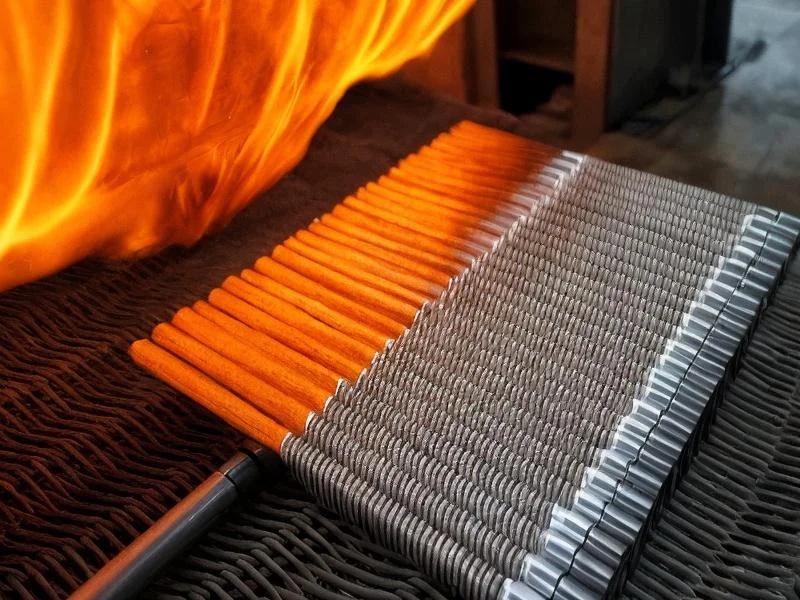
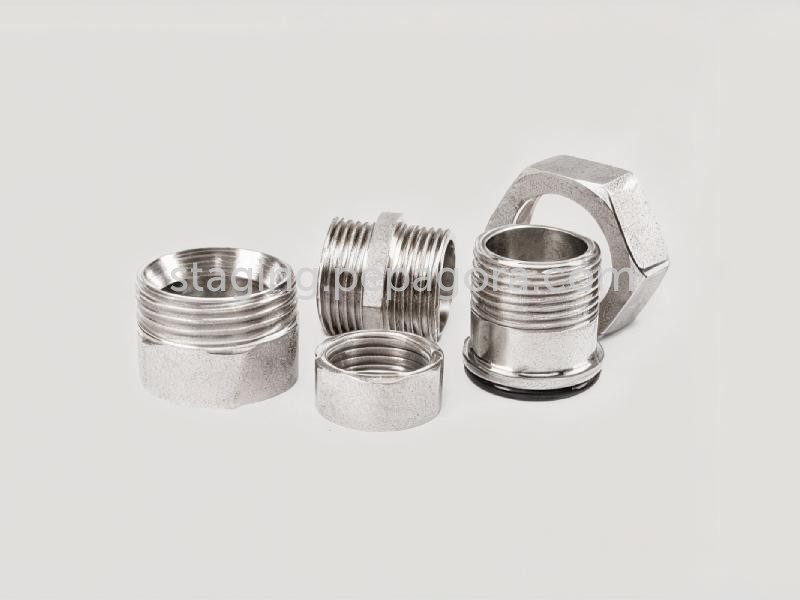
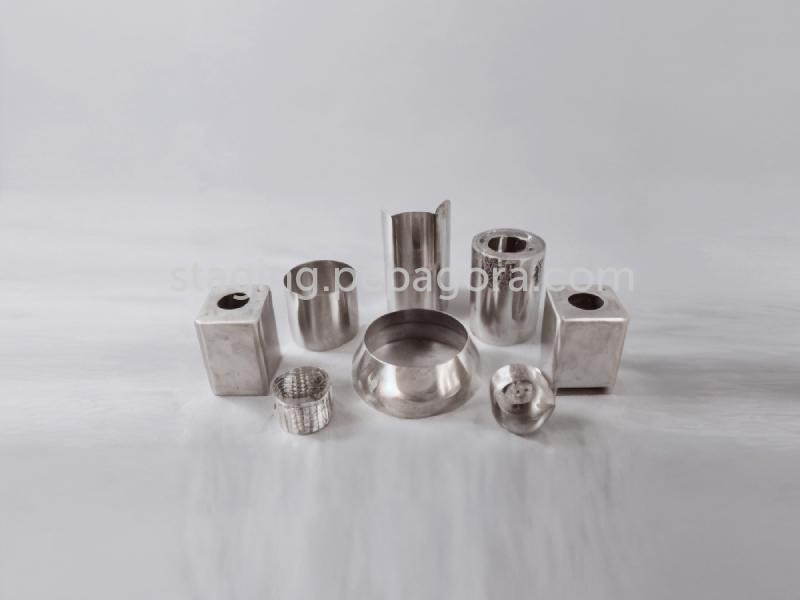
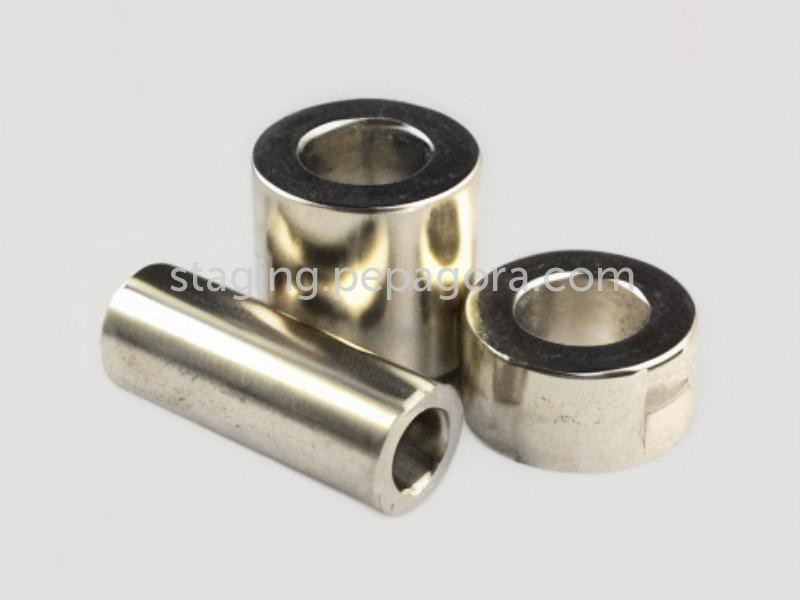
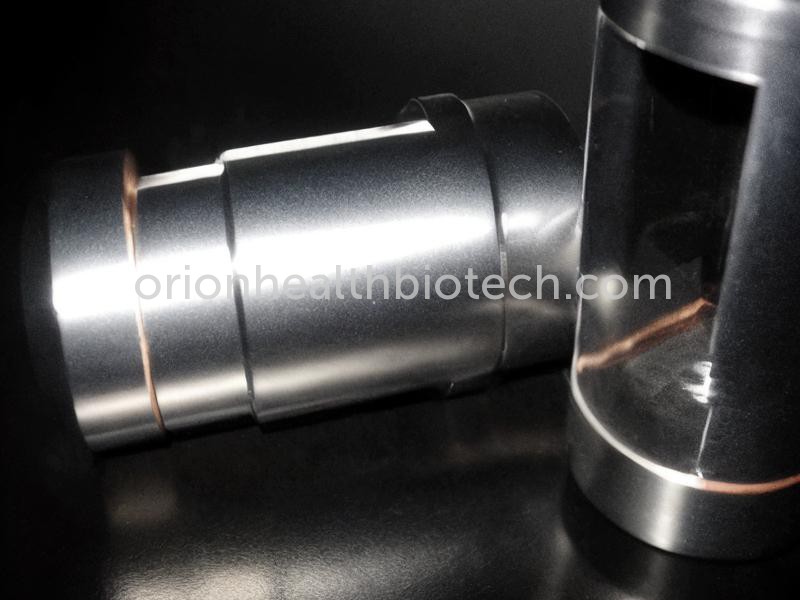
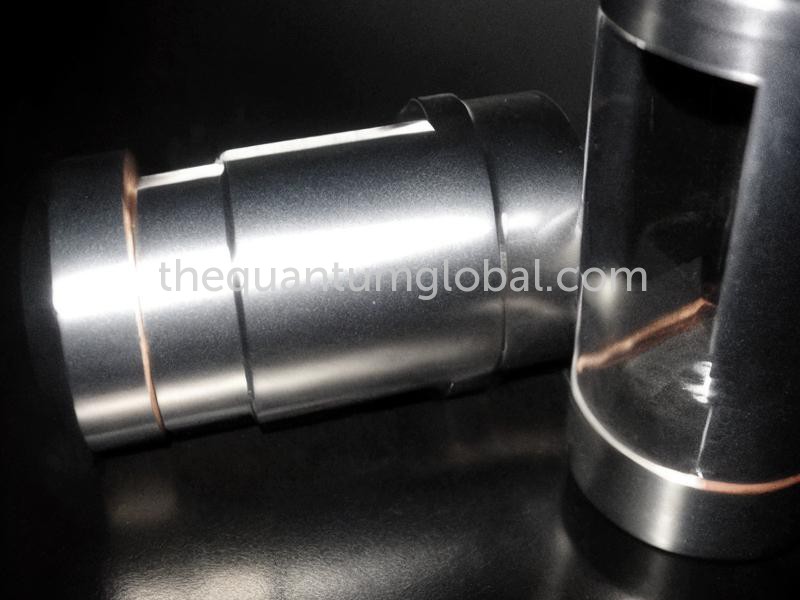
We provide precision hydrogen brazing services to create strong, clean, and oxide-free metal joints using a controlled hydrogen atmosphere, ensuring superior reliability and performance for critical industrial applications.
Our hydrogen brazing service enables high-quality bonding of metals in a controlled hydrogen atmosphere. The process ensures oxide-free, flux-free joints with excellent strength and durability. With precise temperature control and uniform heating, we achieve consistent results suitable for sensitive alloys and critical industrial components. This method improves mechanical and thermal performance, making it ideal for aerospace, automotive, and electronic applications.
Cash,Cheque
Key Attributes
- Joint strength 95%+
- Hydrogen purity 99.99%
- Oxidation prevention 100%
- Temperature uniformity ±5°C
- Process repeatability 100%
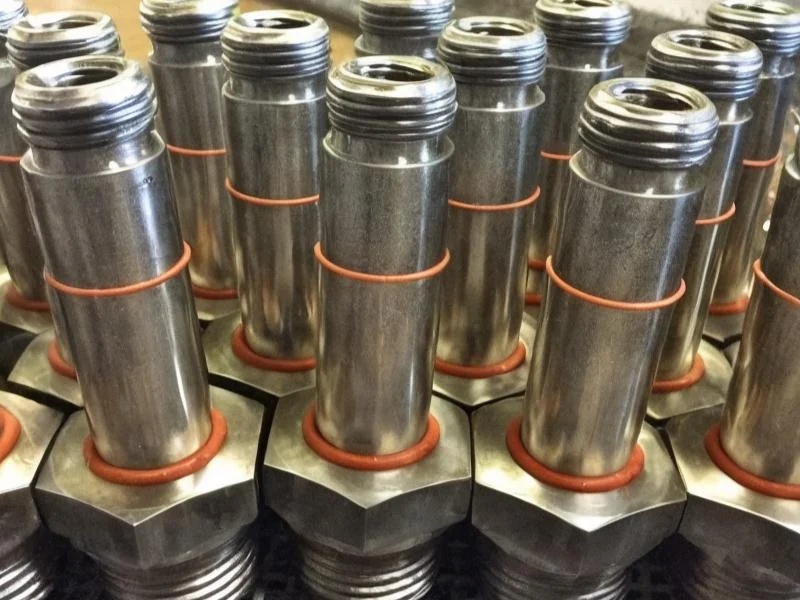
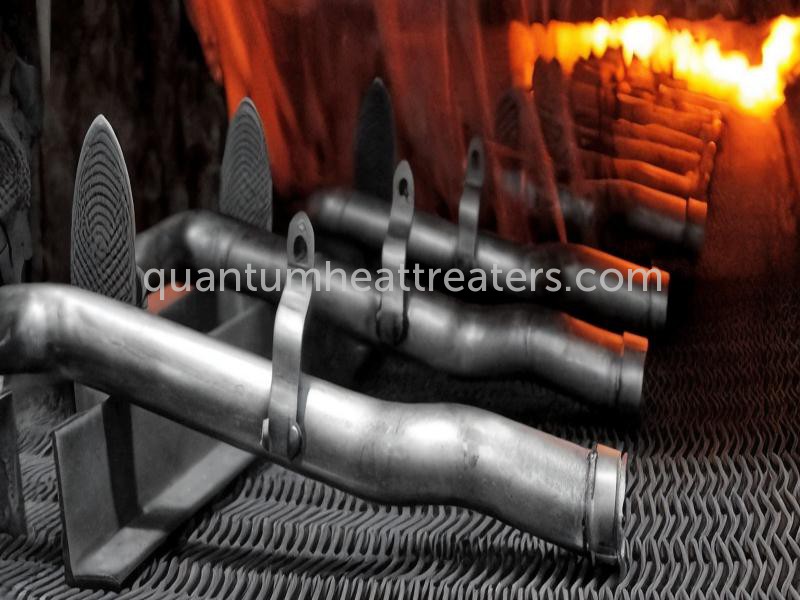
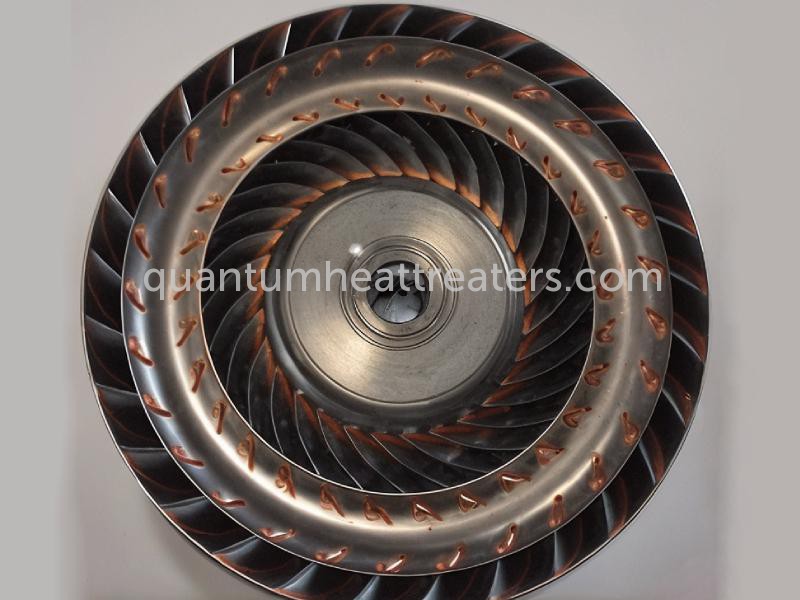
We provide precision copper furnace brazing services for creating strong, flux-free, and reliable metal joints, ensuring high-quality performance for industrial, automotive, and electronic applications.
Our copper furnace brazing service ensures high-quality bonding of copper and copper alloys using controlled furnace environments. The process produces clean, flux-free, and strong joints with uniform heating, delivering consistent and reliable performance. Ideal for industrial, automotive, and electronic components, it enhances mechanical strength, thermal conductivity, and long-term durability.
Cash,Cheque
Key Attributes
- Joint strength 95%+
- Temperature uniformity ±5°C
- Flux-free process efficiency 100%
- Copper compatibility 100%
- Process repeatability 100%
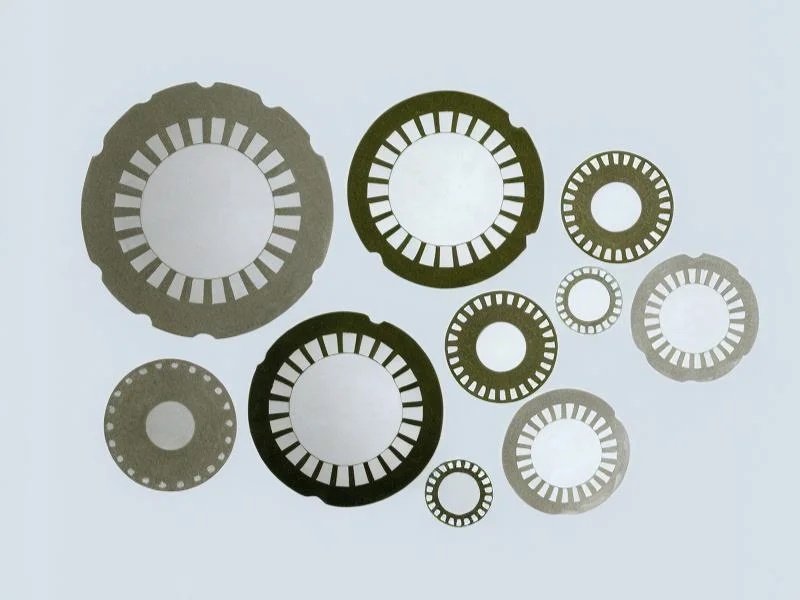
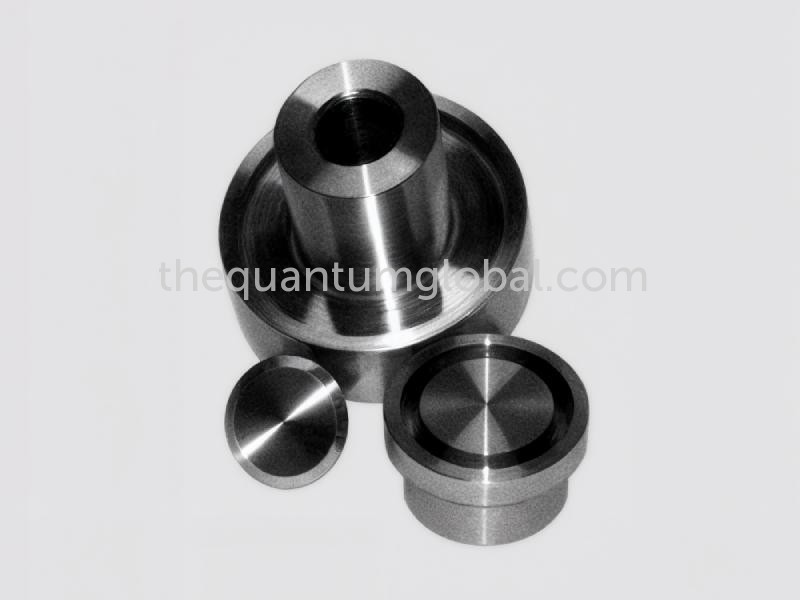
Vacuum annealing service improves metal ductility, relieves internal stresses, and enhances surface quality by treating metals in a controlled vacuum environment.
Our vacuum annealing service treats metals in a high-vacuum environment to relieve internal stresses, improve ductility, and maintain surface integrity. The process prevents oxidation and contamination while ensuring precise temperature control and uniform heating. Suitable for critical industrial and electronic components, it enhances mechanical, electrical, and thermal properties for superior performance and reliability.
Cheque,NEFT, RTGS
Key Attributes
- Vacuum Level 10⁻⁵ torr
- Temperature Uniformity ±5°C
- Stress Relief Efficiency 95%
- Surface Oxidation Prevention 100%
- Process Repeatability 100%
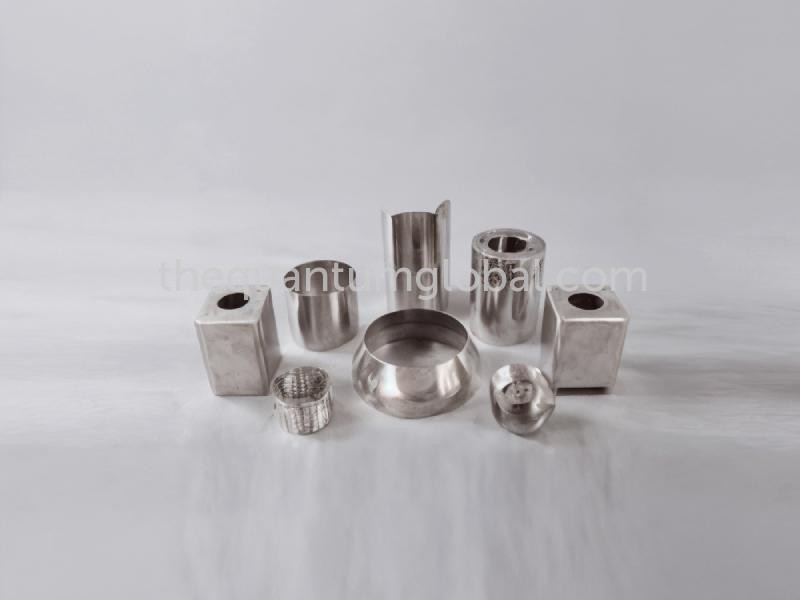
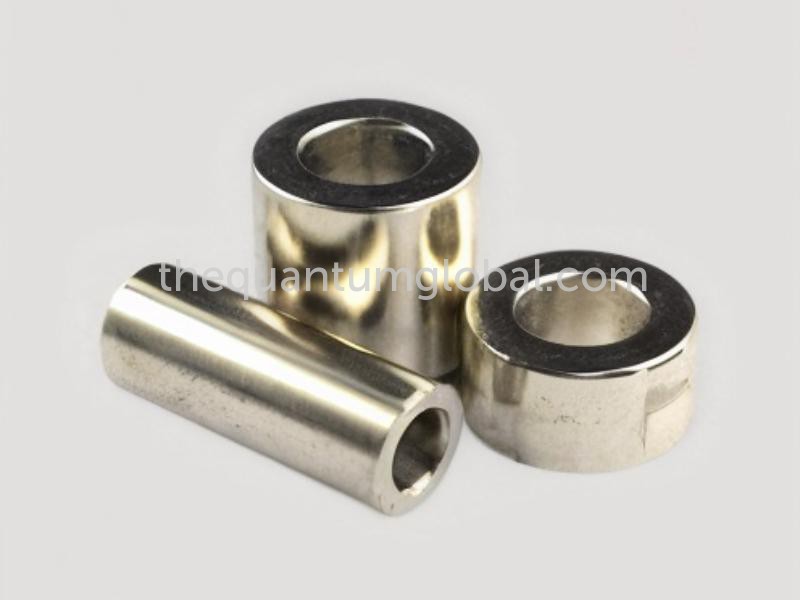
We provide precision heat treatment services for electroless nickel coatings to enhance hardness, wear resistance, and corrosion protection, ensuring long-lasting performance for industrial and electronic components.
Our heat treatment service for electroless nickel coatings enhances coating hardness, wear resistance, and corrosion protection. Using controlled temperature profiles, we ensure uniform treatment across all surfaces without damaging the underlying material. The process improves longevity and performance of coated components used in automotive, aerospace, electronics, and industrial applications.
Cash,Cheque
Key Attributes
- Hardness improvement 60-65 HRC
- Coating thickness 5-25 µm
- Corrosion resistance efficiency 100%
- Surface finish improvement 90%
- Process repeatability 100%
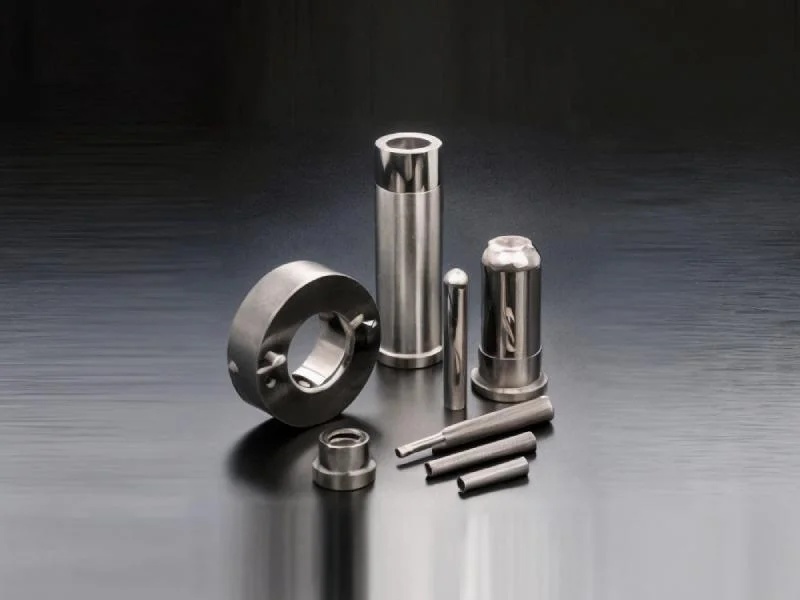
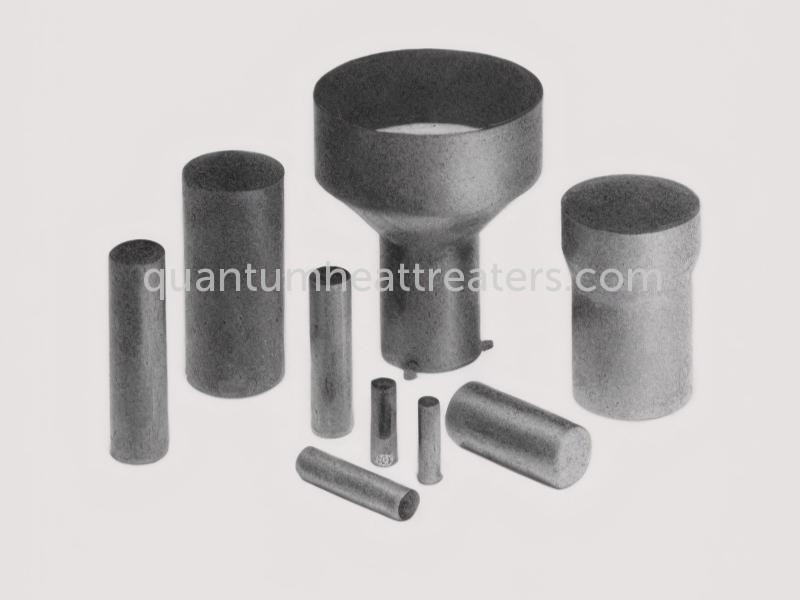
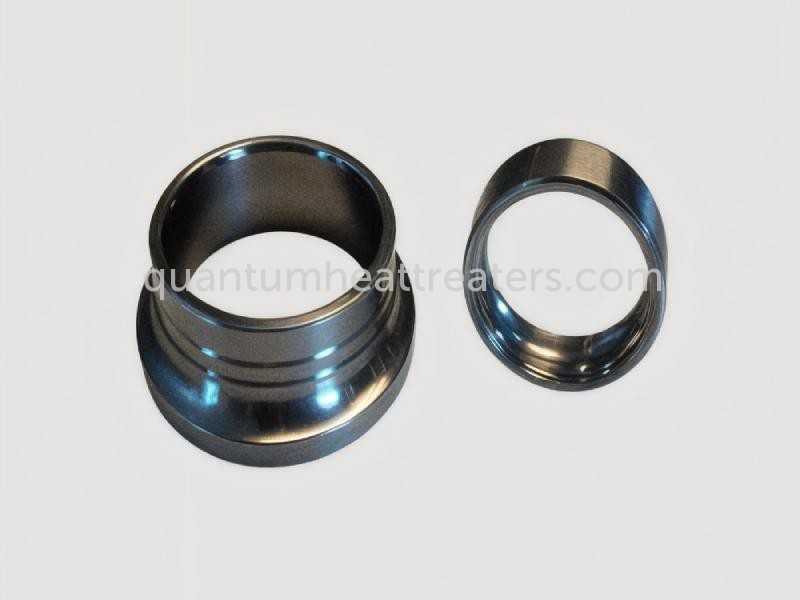
Precision stress relieving services to reduce internal stresses, enhance dimensional stability, and maintain mechanical properties of metals for reliable performance in industrial and engineering applications.
Our stress relieving service uses controlled heat treatment to reduce internal stresses caused by welding, machining, or fabrication. The process enhances dimensional stability, minimizes distortion, and preserves mechanical properties. With precise temperature control and uniform heating, we deliver consistent results suitable for industrial, automotive, aerospace, and electronic components.
Cash,Cheque
Key Attributes
- Stress reduction efficiency 95%
- Temperature uniformity ±5°C
- Dimensional stability 99%
- Process repeatability 100%
- Surface integrity retention 100%
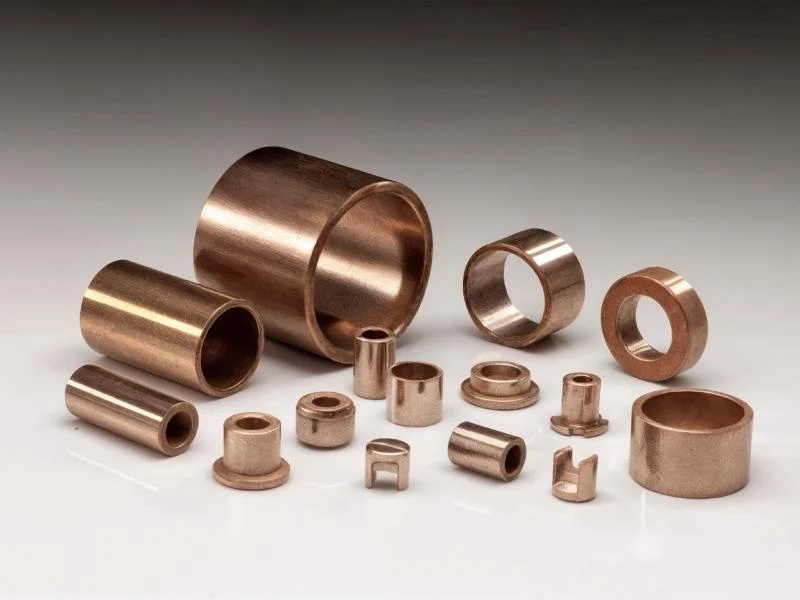
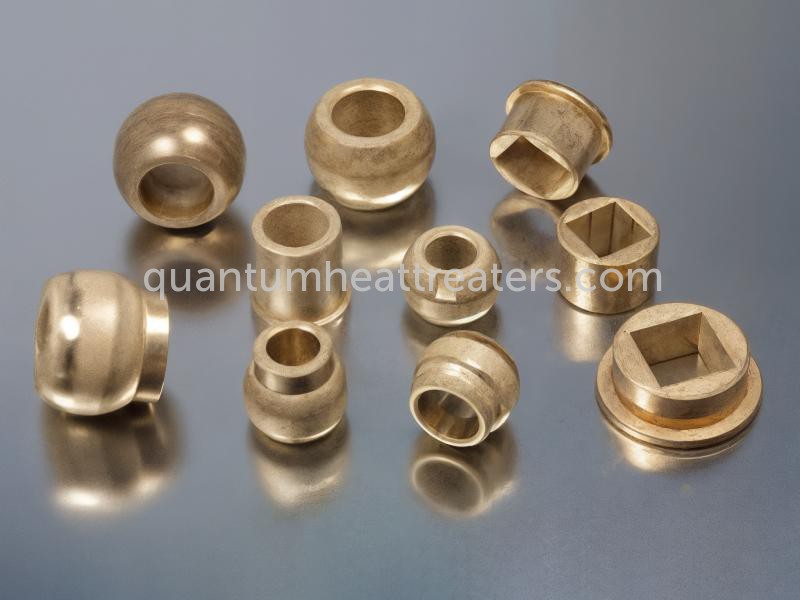
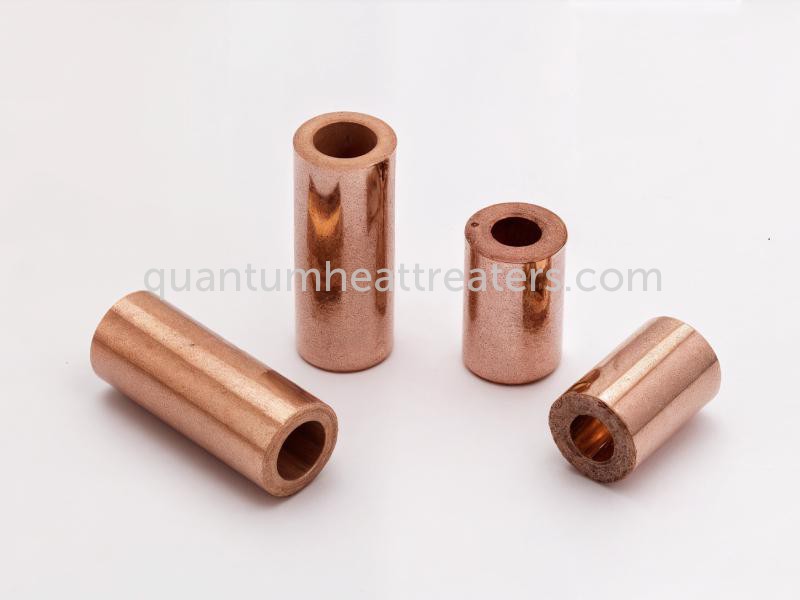
We provide precision sintering services to densify metal powders, enhance mechanical strength, and improve material properties through controlled heat treatment processes for industrial and engineering applications.
Our sintering service treats metal powders at controlled temperatures below the melting point to achieve densification, improved strength, and enhanced material properties. The process ensures uniform heating, reduces porosity, and preserves surface integrity. Ideal for automotive, aerospace, electronics, and industrial components, it delivers consistent quality and high-performance results.
Cash,Cheque
Key Attributes
- Densification efficiency 98%
- Temperature uniformity ±5°C
- Porosity reduction 90%
- Process repeatability 100%
- Surface integrity retention 100%
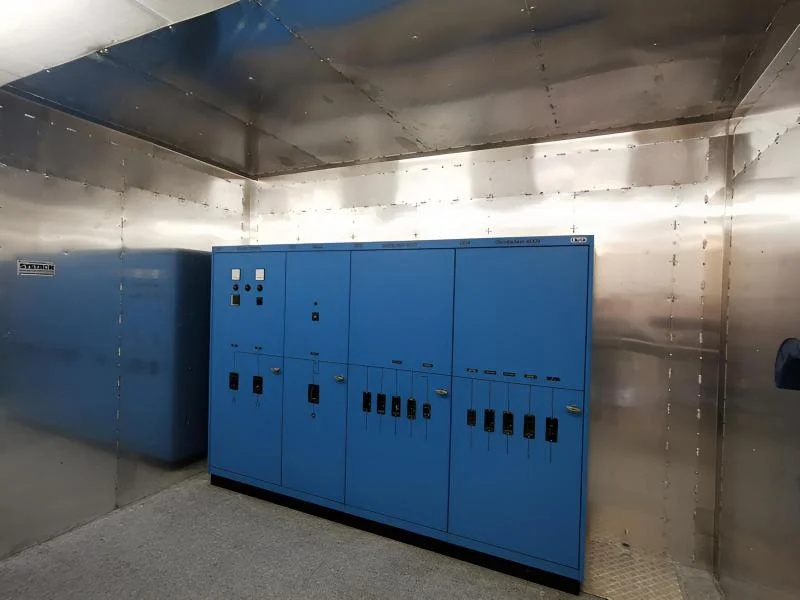
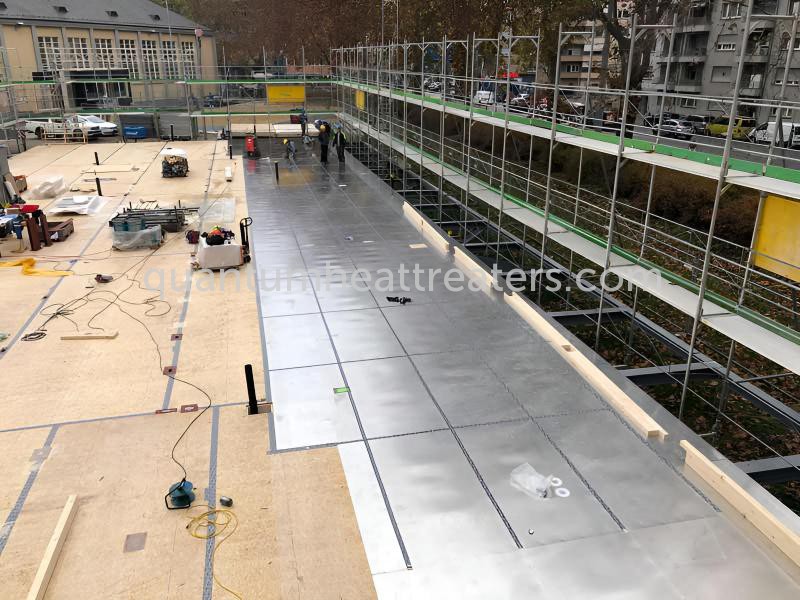
We provide advanced shielding transformer stations that protect sensitive electrical equipment from electromagnetic interference (EMI), ensuring safe, stable, and reliable operation in industrial and power applications.
Our shielding transformer stations are designed to minimize electromagnetic interference and provide stable power to sensitive electrical equipment. Using high-quality magnetic shielding materials and precision engineering, these transformers ensure operational safety, reliability, and efficiency. Ideal for industrial, commercial, and power distribution applications, they deliver consistent performance even in high-EMI environments.
Cash,Cheque
Key Attributes
- Magnetic field attenuation 99.9%
- Load capacity 500 kVA
- Voltage rating 11 kV
- Efficiency 98%
- Service life 20 years
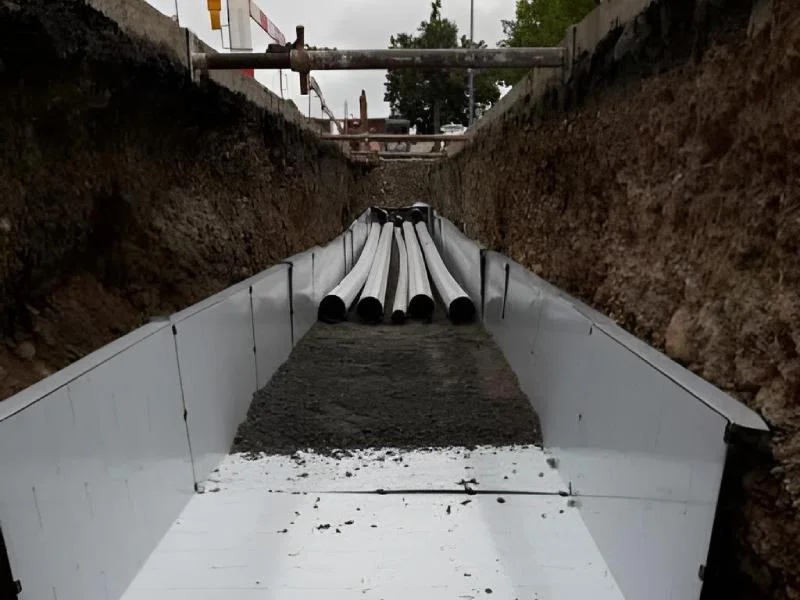
We provide conduit and pipe block shielding solutions designed to protect cables and pipelines from electromagnetic interference (EMI), ensuring safe and uninterrupted electrical performance.
Our conduit and pipe block shielding solutions are engineered to safeguard electrical conduits and pipelines from electromagnetic interference and external disturbances. Made from high-conductivity alloys and durable materials, these shields enhance safety, improve power reliability, and extend the life of electrical systems. Designed for both industrial and commercial applications, they deliver consistent protection in high-interference environments.
Cash,Cheque
Key Attributes
- Shielding effectiveness 99%
- Material type 1 high-conductivity alloy
- Corrosion resistance 95%
- Durability 20+ years service life
- Maintenance requirement <10% annually
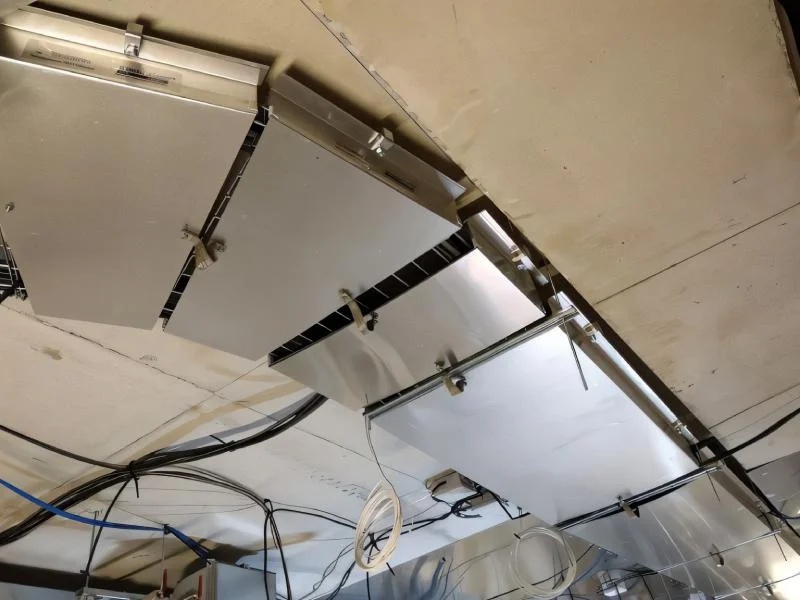
Our cable tray shielding provides effective electromagnetic interference (EMI) protection for power and communication cables, ensuring safe operation, signal integrity, and extended cable life in industrial and commercial environments.
Cable tray shielding is designed to protect electrical and communication cables from electromagnetic interference and external environmental factors. Manufactured using high-conductivity shielding alloys with superior corrosion resistance, it ensures system reliability and operational safety. These shields extend the service life of cable trays, reduce maintenance requirements, and are suitable for both indoor and outdoor applications. Precision engineering ensures compatibility with various tray sizes and configurations.
Cash,Cheque
Key Attributes
- Shielding effectiveness 99%
- Material type 1 high-conductivity alloy
- Corrosion resistance 95%
- Durability 20+ years service life
- Maintenance requirement <10% annually

Our busbar shielding solutions protect electrical busbars from electromagnetic interference (EMI), ensuring safe, reliable, and efficient power distribution in industrial, commercial, and utility applications.
Busbar shielding is designed to minimize electromagnetic interference and enhance the operational safety of power distribution systems. Manufactured with high-conductivity alloys and engineered for superior corrosion resistance, these shields extend the life of busbar systems and improve efficiency. The shielding is suitable for high-voltage and low-voltage busbar assemblies, offering long-term durability and reduced maintenance. Its precision design ensures easy integration with different busbar configurations, making it ideal for demanding industrial and utility environments.
Cash,Cheque
Key Attributes
- Shielding effectiveness 99.5%
- Material type 1 high-conductivity alloy
- Corrosion resistance 95%
- Durability 25+ years service life
- Maintenance requirement <5% annually
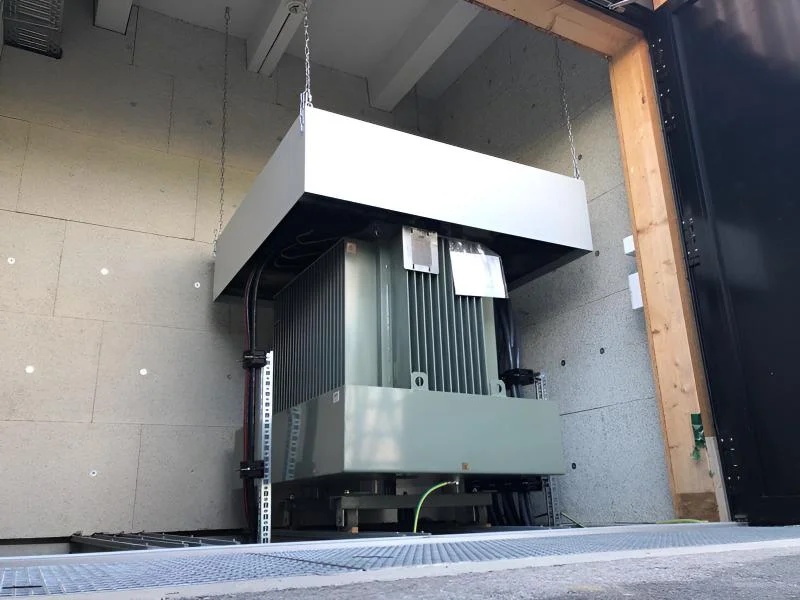
Our transformer shielding provides superior electromagnetic interference (EMI) protection, ensuring safe, efficient, and reliable performance of power transformers in industrial, commercial, and utility environments.
Transformer shielding is engineered to protect transformers from electromagnetic interference, ensuring stable and safe power delivery. Manufactured with high-conductivity shielding alloys, these solutions provide exceptional durability, thermal resistance, and corrosion protection. Precision-engineered designs allow seamless integration with various transformer sizes and configurations. The shielding extends the lifespan of transformers, enhances efficiency, and reduces the risk of equipment failure in demanding operational environments.
Cash,Cheque
Key Attributes
- Shielding effectiveness 99.9%
- Material type 1 high-conductivity alloy
- Thermal resistance Up to 120°C
- Durability 25+ years service life
- Maintenance requirement <5% annually
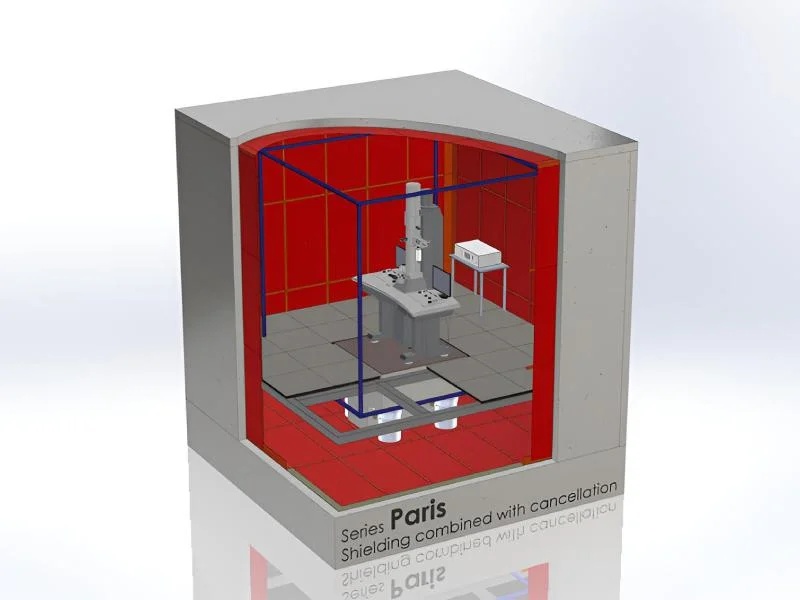
Our mu-metal shielding ensures maximum magnetic field attenuation for electron beam devices, protecting equipment performance, stability, and precision in sensitive scientific, medical, and industrial applications.
Mu-metal shielding is specifically designed to protect electron beam devices from external magnetic fields and electromagnetic interference. Made from high nickel-iron alloys with superior permeability, these shields offer unmatched attenuation levels. Their precision-engineered design ensures compatibility with various electron beam systems, enhancing device accuracy and operational stability. Highly durable and corrosion-resistant, mu-metal shields are widely used where sensitive equipment requires reliable magnetic shielding.
Cash,Cheque
Key Attributes
- Magnetic field attenuation 99.9%
- Material composition High nickel-iron alloy (80% Ni)
- Thickness range 0.1 mm – 5 mm
- Service life 20+ years durability
- Customization 100% design flexibility
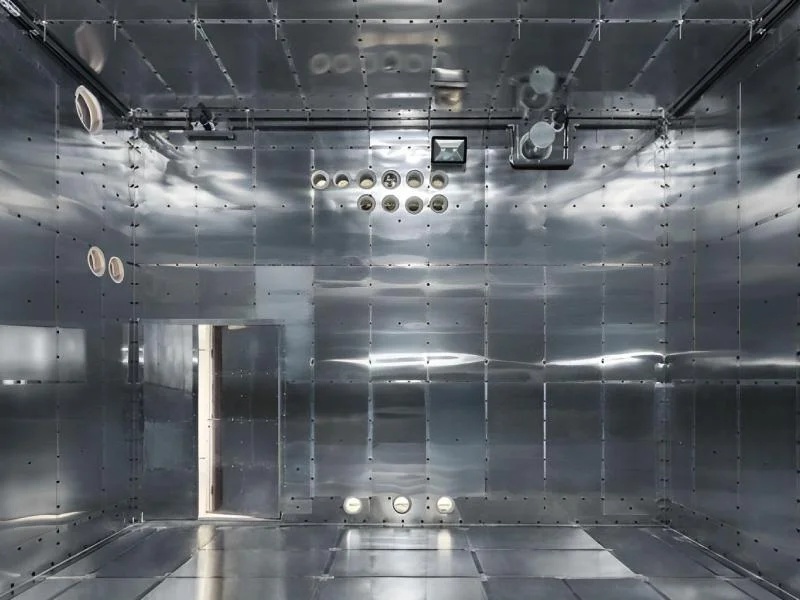
Our magnetically shielded rooms create ultra-low magnetic field environments for electron beam devices, ensuring high precision, stability, and protection in medical, scientific, and industrial applications.
Magnetically shielded rooms are engineered to provide a controlled, ultra-low magnetic field environment for electron beam and other highly sensitive devices. Constructed with multi-layer shielding materials such as mu-metal and aluminum, they offer exceptional field attenuation and system stability. These rooms are designed with modular construction, allowing complete customization to meet facility size, performance, and integration requirements. With long service life and high durability, they provide an optimal solution for scientific research, medical imaging, and industrial precision equipment.
Cash,Cheque
Key Attributes
- Magnetic field attenuation 99.9%
- Material composition High nickel-iron alloy (80% Ni)
- Thickness range 0.1 mm – 5 mm
- Service life 20+ years durability
- Customization 100% design flexibility
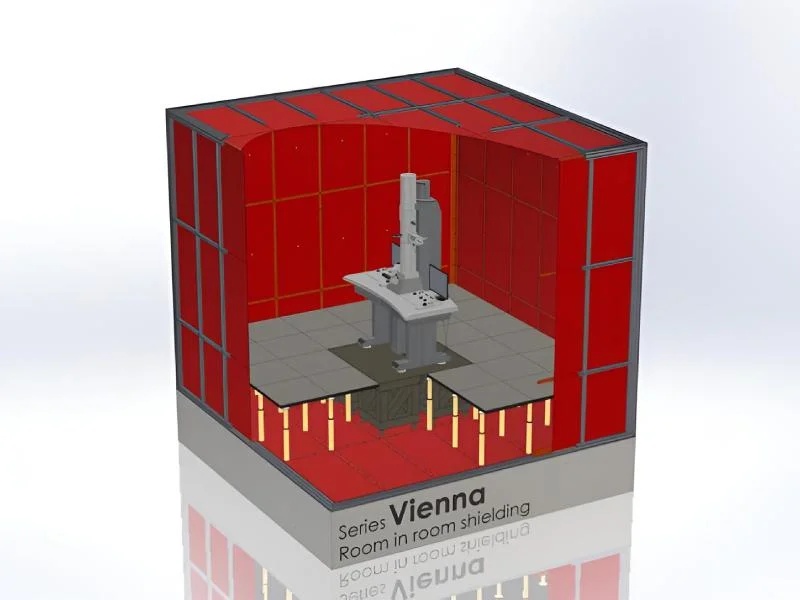
Our shielding booths provide localized magnetic and electromagnetic protection for electron beam devices, ensuring safety, precision, and interference-free operation in laboratories, medical, and industrial environments.
Shielding booths are compact, modular structures designed to provide controlled, low magnetic field environments for electron beam devices. Constructed from high-permeability materials like mu-metal and aluminum, these booths ensure precise shielding and interference-free operation. They can be customized for size, layer configuration, and integration with existing lab or industrial setups. Their robust design guarantees durability and long-term protection, making them ideal for research, medical, and precision industrial applications.
Cash,Cheque
Key Attributes
- Magnetic field attenuation 99.9%
- Booth size range 1 m² – 50 m²
- Shielding layers 2 to 4 layers
- Service life 20+ years
- Customization 100% modular design flexibility
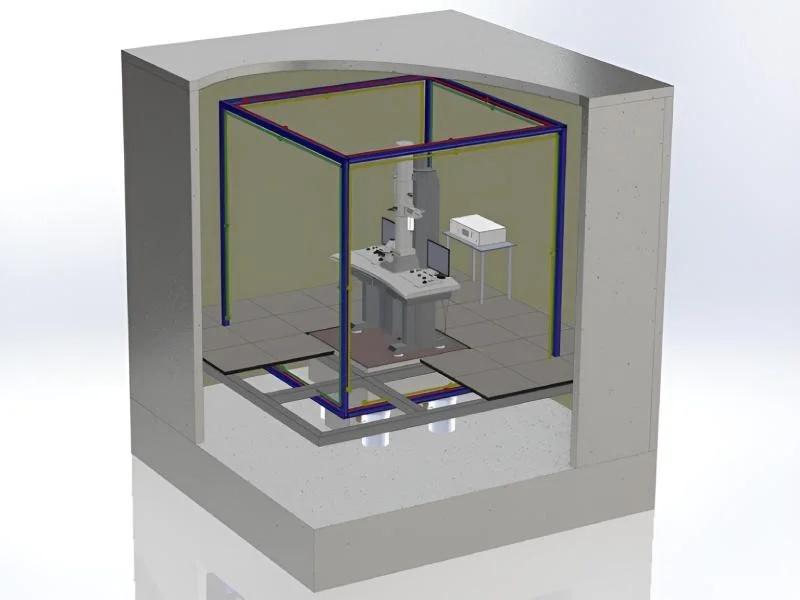
Our active magnetic field compensation systems dynamically reduce ambient magnetic fields for electron beam devices, ensuring precise, stable, and interference-free operation in scientific, medical, and industrial applications.
Active magnetic field compensation systems use sensors and controlled coil arrays to dynamically counteract ambient magnetic field fluctuations. Designed for electron beam and other highly sensitive devices, these systems maintain ultra-low magnetic environments for precision operation. They are highly configurable to fit laboratory, industrial, or medical settings, ensuring stable and accurate results. With rapid response and long service life, they are ideal for applications where passive shielding alone is insufficient.
Cash,Cheque
Key Attributes
- Magnetic field suppression 99.99%
- Response time <1 ms
- Controlled area coverage Up to 50 m²
- System accuracy ±0.1 µT
- Service life 15+ years
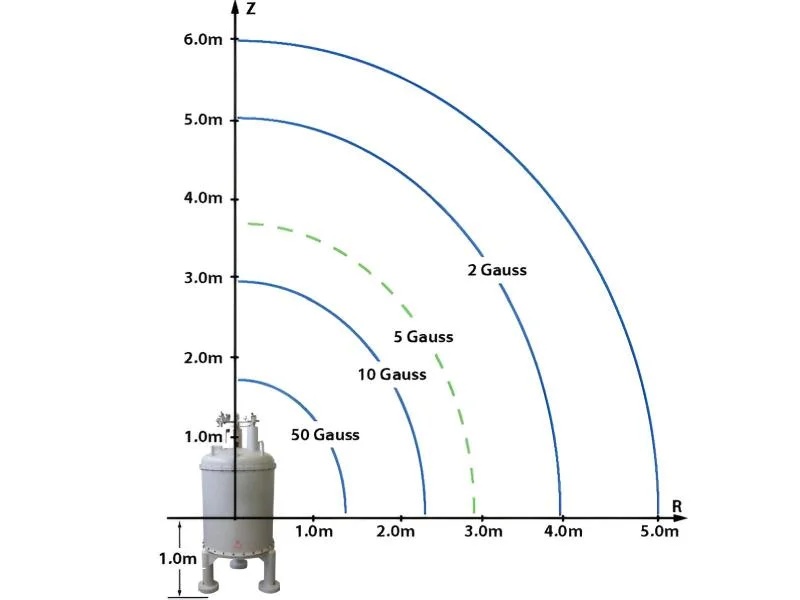
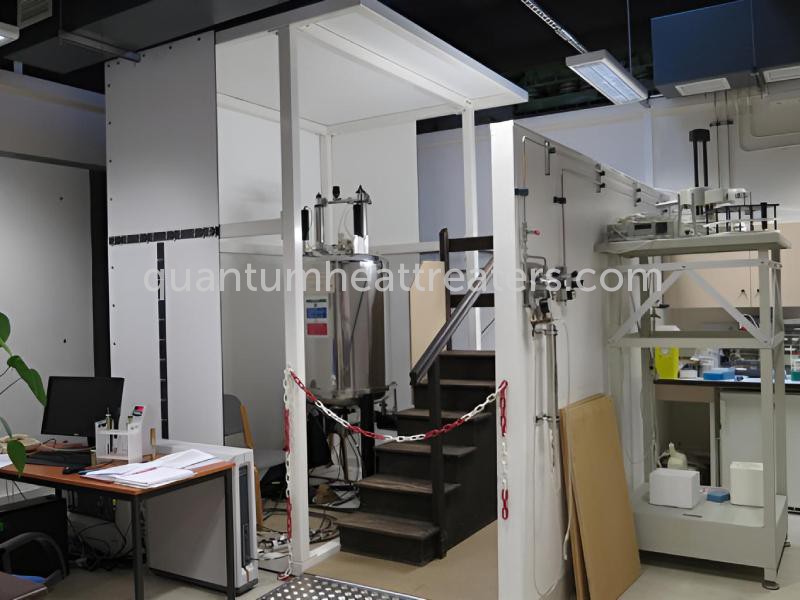
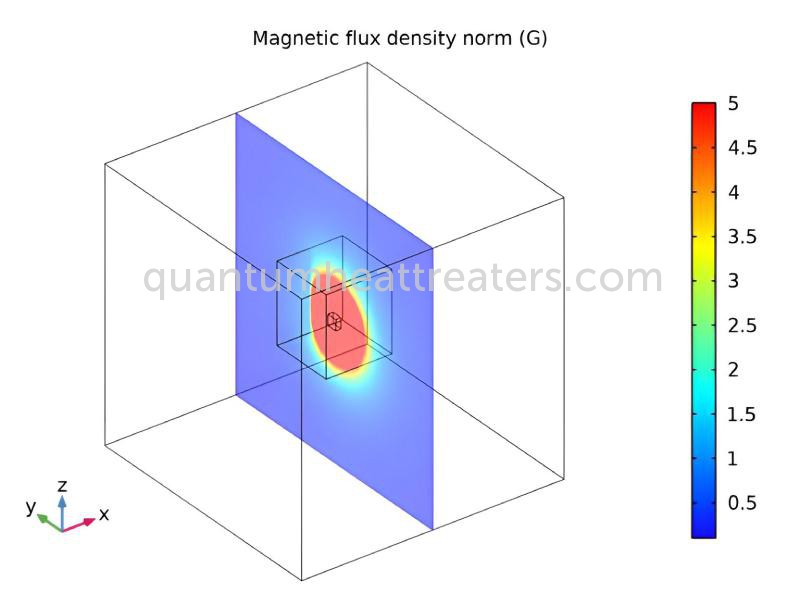
Magnetic shielding in NMR refers to the phenomenon where the local electronic environment around a nucleus reduces (or enhances) the external magnetic field experienced by that nucleus. This creates small variations in resonance frequencies.
Magnetic shielding in NMR refers to the effect of surrounding electrons on the magnetic field experienced by a nucleus. When a strong external magnetic field is applied, electrons around atoms generate small circulating currents that create a secondary magnetic field. This induced field can either oppose or reinforce. If it opposes, the nucleus feels a weaker effective field, known as shielding, which shifts its resonance upfield (lower frequency). If it reinforces, the nucleus is deshielded and resonates downfield (higher frequency). The degree of shielding depends on factors such as electronegativity of nearby atoms, electron density, molecular geometry, and π-electron systems like aromatic rings that produce strong ring currents. These differences are measured as chemical shifts (ppm) relative to a standard reference, typically tetramethylsilane (TMS). Magnetic shielding is the foundation of NMR spectroscopy because it provides unique resonance signals for nuclei in different chemical environments, allowing precise identification of molecular structure, bonding, and electronic distribution.
Cash,Cheque
Key Attributes
- Phenomenon Magnetic shielding / deshielding of nuclei
- Measured As Chemical shift
- Unit Parts per million (ppm)
- Reference Compound Tetramethylsilane (TMS)
- Influencing Factors Electron density, electronegativity, molecular geometry, π-electron systems
- Effect Type Shielding (upfield) / Deshielding (downfield)
- Shielding Tensor Isotropic or anisotropic Instrument Requirement High-field NMR magnet (superconducting or permanent)
- Spectral Resolution Depends on magnet strength and homogeneity
- Sensitivity Enhanced with stronger magnets and cryoprobes
- Temperature Dependence Chemical shifts can vary with temperature
- Solvent Effect Solvent polarity and hydrogen bonding can influence shielding
- Coupling Interactions Spin–spin coupling influenced by shielding
- Application Molecular structure determination, chemical environment analysis
- Industry Use Pharmaceuticals, Biotechnology, Petrochemicals, Polymers, Food, Research
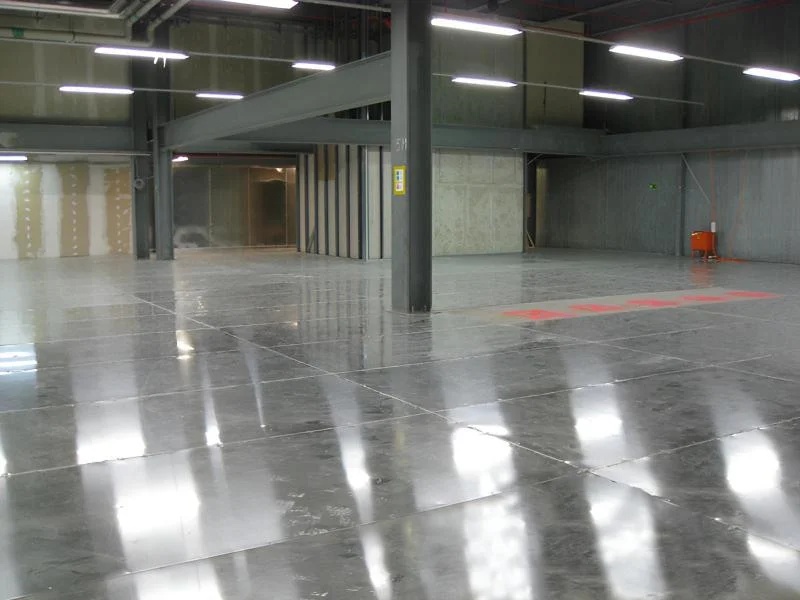
The Systron Power Shield is a reliable surge protection device designed to safeguard electrical equipment from voltage spikes, fluctuations, and transient surges, ensuring power safety, system stability, and longer equipment life.
The Systron PowerShield® is a patented magnetic field shielding system designed to block low-frequency alternating fields effectively. It combines magnetically and electrically conductive sheets, available in standard and corrosion-resistant versions. The welded plate construction ensures maximum shielding integrity for walls, ceilings, and floors in sensitive electrical rooms. It provides reliable protection against external magnetic fields and serves as the foundation for Systron CableShield®, enabling extended shielding for busbars, conduits, and cable trays.
Cash,Cheque
Key Attributes
- Material Thickness 3 mm (approx.)
- Weight 8 – 11 kg/m²
- Frequency Range 10 Hz – 100 kHz
- Shielding Factor 10 @ 16.7 Hz , 20 @ 50 Hz , 100 @ 300 Hz
- Operating Temperature -20 °C to +80 °C
- Corrosion Resistance > 240 hours in salt spray test
- Service Life Expectancy > 20 years (indoor installation)
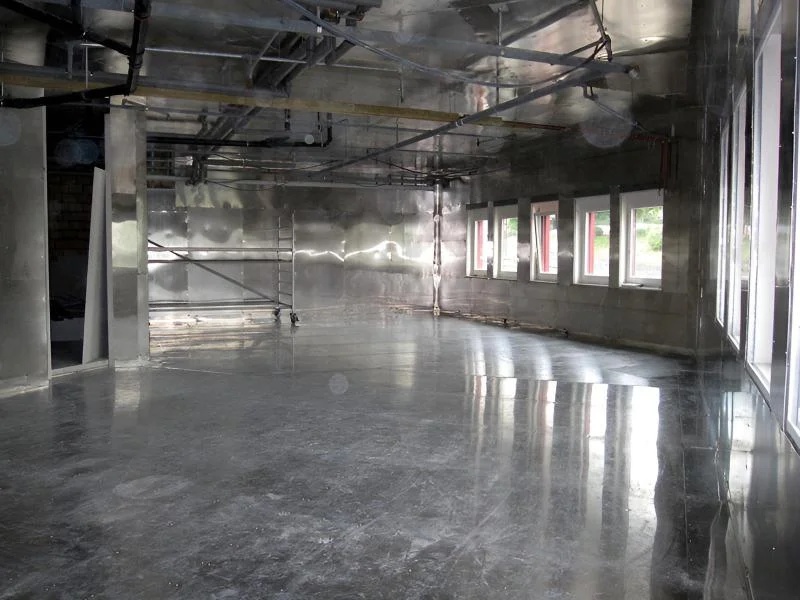
Our electrosmog shielding solutions reduce exposure to electromagnetic radiation and radiofrequency interference, protecting sensitive devices and human environments in residential, commercial, and industrial settings.
Electrosmog shielding solutions are engineered to reduce electromagnetic radiation and radiofrequency interference in sensitive environments. Constructed from conductive metals and high-permeability alloys, these shields provide effective attenuation across a wide frequency range. They are suitable for residential, commercial, and industrial applications, helping protect electronic devices, laboratory equipment, and human exposure. Customizable designs allow for integration into walls, rooms, enclosures, and equipment housings, ensuring reliable performance over long-term use.
Cash,Cheque
Key Attributes
- Shielding effectiveness 99%
- Frequency range 50 Hz – 10 GHz
- Material type Conductive and high-permeability alloys
- Durability 20+ years service life
- Customization 100% design and size flexibility

Shielding in medical equipment refers to the use of specialized materials and designs to protect sensitive devices and patients from unwanted electromagnetic interference (EMI) and magnetic fields. Effective shielding ensures accurate operation.
Magnetic shielding in Nuclear Magnetic Resonance (NMR) is a fundamental phenomenon that arises due to the interaction between a nucleus and the surrounding electrons when exposed to an external magnetic field. Electrons circulating around a nucleus generate small secondary magnetic fields that can either oppose or enhance the applied field. When the induced field opposes B₀, the nucleus experiences a weaker effective magnetic field, resulting in shielding and an upfield shift (lower resonance frequency) in the NMR spectrum. Conversely, if the induced field reinforces, the nucleus is deshielded, resonating downfield at a higher frequency.
Cash,Cheque
Key Attributes
- Shielding Type EMI, RF, and Magnetic Field Shielding
- Materials Used Copper, Aluminum, Steel, Specialized Alloys
- Equipment Compatibility MRI, CT, X-ray, Diagnostic & Monitoring Devices
- Design Layered, Faraday Cage, Custom Shapes
- Protection Level High sensitivity protection against electromagnetic interference
- Standards Compliance IEC, FDA, ISO, or relevant medical device standards
- Thermal Management Integrated / passive solutions
- Installation Type Fixed, Portable, or Integrated into equipment
- Application Areas Medical Imaging, Diagnostics, Laboratories, Healthcare Facilities
- Durability Long-term performance in clinical and research environments
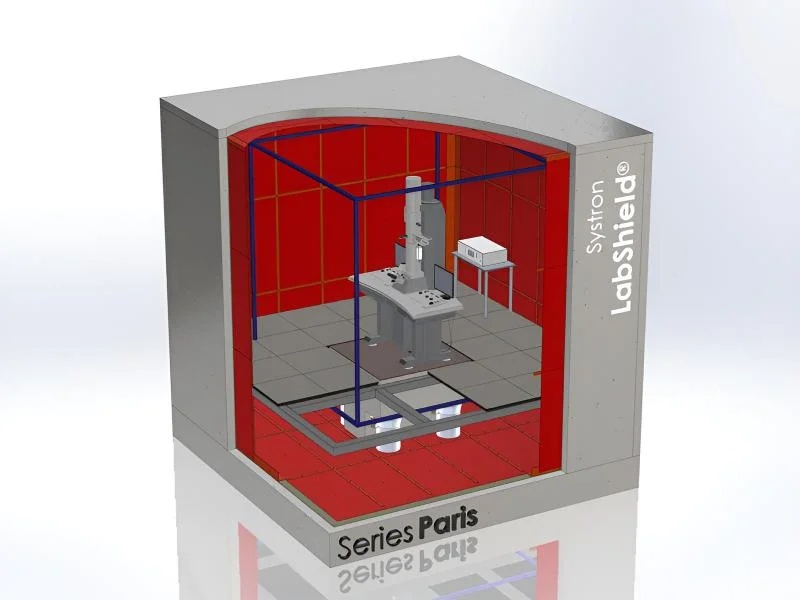
Systron Lab Shield is a magnetic and electromagnetic shielding system designed to protect laboratories from external fields. It ensures a stable, safe environment for sensitive experiments and equipment, providing reliable field attenuation .
The Systron LabShield is a high-performance magnetic and electromagnetic shielding system designed to protect laboratory environments from DC and low-frequency fields. It uses magnetically and electrically conductive sheets, available in standard and corrosion-resistant versions, to ensure maximum shielding efficiency. The plates are welded together, providing structural stability and continuous protection for walls, ceilings, and floors. It achieves significant attenuation across DC, near-DC, and 50 Hz frequencies, safeguarding sensitive electron beam equipment. LabShield can be combined with LabCableShield® for extended protection of cables and conduits. This system ensures a stable, safe, and interference-free environment for critical laboratory operations.
Cash,Cheque
Key Attributes
- Material Thickness 1 – 2 mm
- Weight 8 – 11 kg/m²
- Frequency Range DC – 1000 Hz
- Shielding Factor ~30 @ DC , 8 – 150 @ Near-DC , 8 – 150 @ 50 Hz
- Plate Dimensions Up to 2000 mm × 1000 mm
- Surface Layer Thickness ~0.5 mm aluminium
- Operating Temperature Range -20 °C to +80 °C
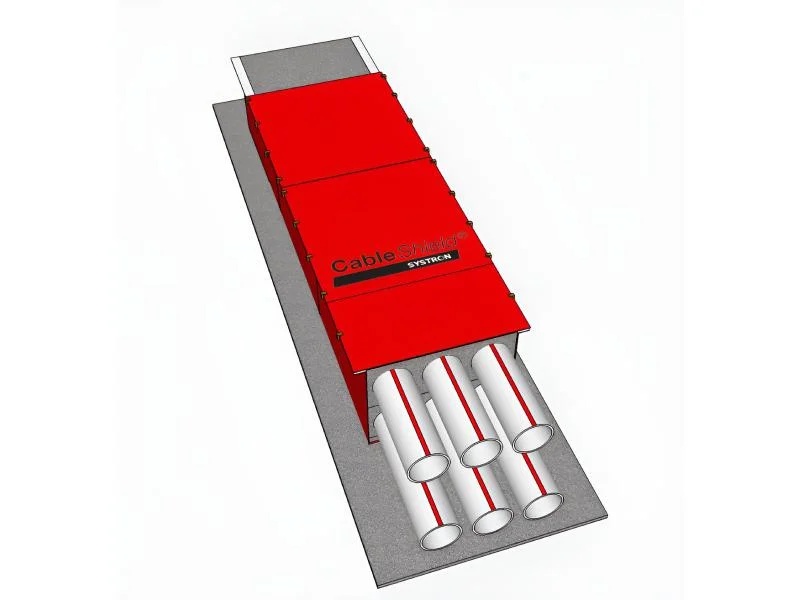
Systron Cable Shield is a specialized shielding system designed to protect cable trays, busbars, and conduits from low-frequency magnetic and electromagnetic fields. It ensures safe, interference-free operation of sensitive electrical and laboratory
Systron CableShield is a specialized shielding system designed to protect cable trays, busbars, and conduit blocks from low-frequency magnetic and electromagnetic fields. It features magnetically and electrically conductive sheets with a total thickness of approximately 3 mm, providing reliable shielding for electrical installations. The system is waterproof for conduit block applications and can be easily installed without special tools. It achieves shielding factors of around 10 at 16.7 Hz and 20 at 50 Hz, ensuring stable, interference-free operation. CableShield can be integrated with other Systron systems, such as PowerShield® and LabShield®, for extended protection. Its robust welded construction and corrosion-resistant materials ensure long-term durability and effective field attenuation.
Cash,Cheque
Key Attributes
- Material Thickness Total approx. 3 mm
- Frequency 16.7 Hz / 50 Hz
- Waterproof suitable for conduit block applications
- Shielding Factor ~10 @ 16.7 Hz , ~20 @ 50 Hz
- Surface Layer Thickness ~0.5 mm aluminium
- Weight 8 – 11 kg/m²
- Operating Temperature Range -20 °C to +80 °C
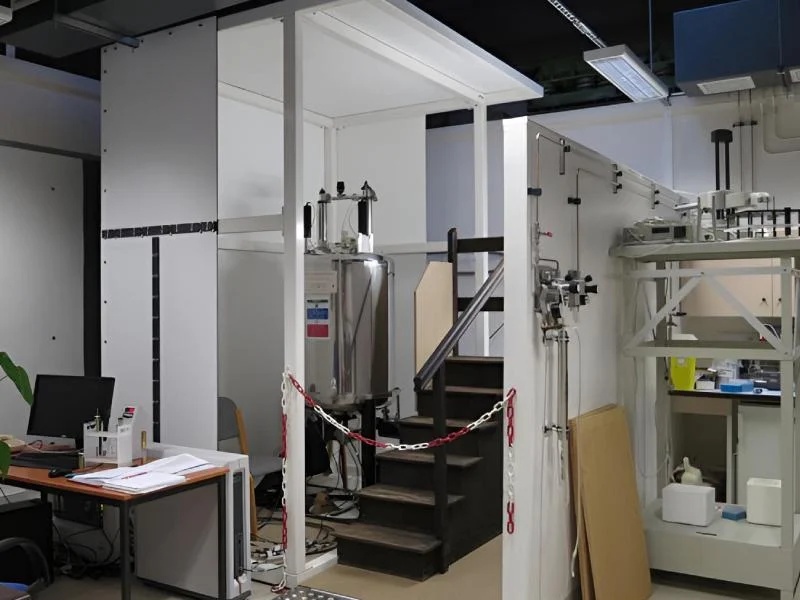
Our stray field shielding solutions effectively reduce unwanted magnetic fields around equipment, ensuring safe, reliable, and interference-free operation in industrial, medical, and research applications.
Stray field shielding is designed to minimize the impact of unwanted magnetic fields on sensitive equipment. Constructed from high-permeability alloys, these shields provide efficient attenuation, ensuring stable operation and enhanced safety. They can be customized in size, shape, and thickness to meet specific installation requirements. Ideal for industrial machinery, medical instruments, and laboratory equipment, stray field shields help maintain performance and reduce interference.
Cheque,NEFT, RTGS
Key Attributes
- Magnetic field attenuation 99.9%
- Shield thickness 1–10 mm
- Service life 20+ years
- Customization 100% design flexibility
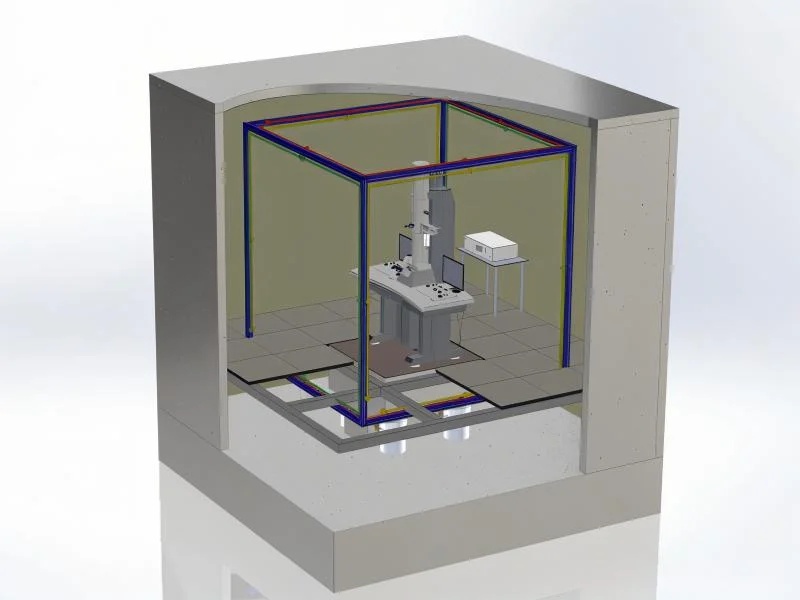
Active Magnetic Field Cancellation is a system designed to neutralize unwanted magnetic fields in sensitive environments. It actively detects and cancels low-frequency magnetic interference, ensuring stable, interference-free operation .
Active Magnetic Field Cancellation is an advanced system designed to neutralize unwanted low-frequency magnetic fields in sensitive environments. It uses real-time magnetic field sensors to detect disturbances and compensating coils to actively cancel the fields. Operating across a wide frequency range, the system achieves high shielding effectiveness, ensuring stable and interference-free conditions. It can be installed in rooms, enclosures, or around precision equipment, including electron beam devices. The automated control continuously adjusts the field cancellation, providing optimal protection. When combined with passive shielding systems, it offers enhanced magnetic field attenuation for laboratories and industrial applications.
Cash,Cheque
Key Attributes
- Frequency Range 0.001 Hz – 1000.0 Hz
- Shielding Factor Up to 100.0 @ 50.0 Hz at the sensor
- Detection Sensitivity 0.01 µT (typical sensor resolution)
- Compensation Coils 10 – 50 turns (depending on setup)
- Installation Area Up to 50.0 m² per system
- Power Supply 230.0 V AC / 50 Hz
- Application Electron beam devices
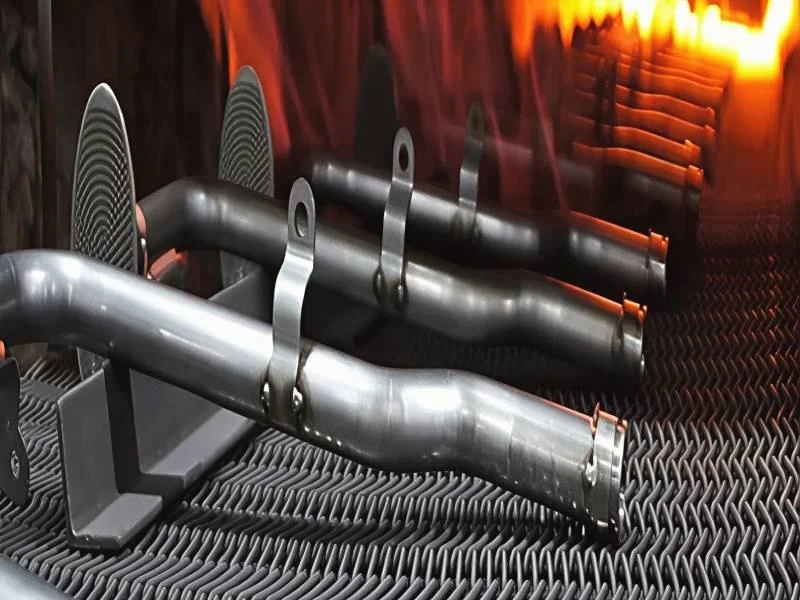
Continuous atmosphere brazing joins metals using controlled heat and protective atmosphere, ensuring strong, precise, and corrosion-resistant joints.
Continuous atmosphere brazing is a high-precision metal joining process. It uses a controlled protective atmosphere to prevent oxidation. The method ensures consistent joint quality, excellent mechanical strength, and corrosion resistance. It is suitable for complex assemblies and high-volume production.
Cheque,NEFT, RTGS
Key Attributes
- Joint strength Up to 500 MPa
- Temperature uniformity ±5°C
- Atmosphere control efficiency >99%
- Corrosion resistance High (meets ASTM standards)
- Dimensional accuracy ±0.1 mm
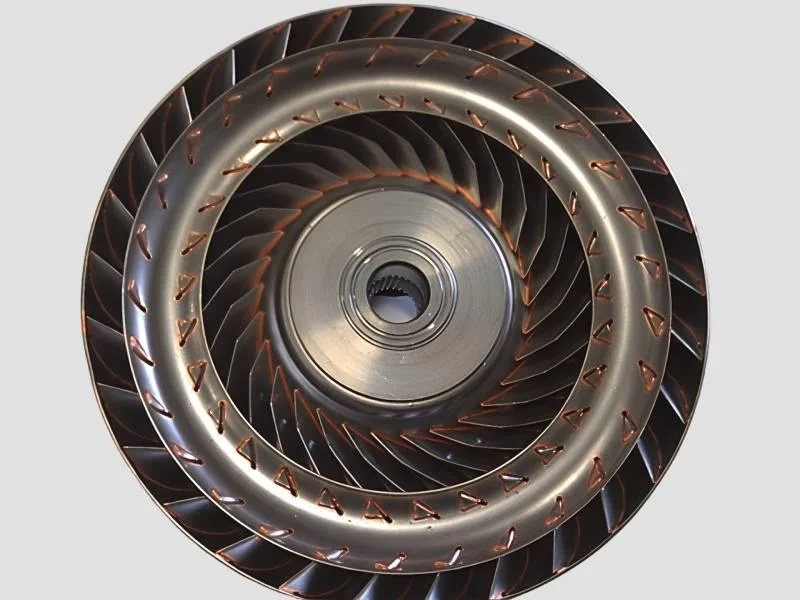
Furnace brazing joins metals in a controlled furnace environment, ensuring strong, precise, and corrosion-resistant joints for industrial applications.
Furnace brazing is a controlled metal joining process performed in a furnace. It uses heat and a protective atmosphere to prevent oxidation. The process ensures uniform heating, strong joints, excellent corrosion resistance, and precise dimensional control. Ideal for high-volume production and complex assemblies.
Cheque,NEFT, RTGS
Key Attributes
- Joint strength Up to 500 MPa
- Temperature Uniformity ±5°C
- Atmosphere Control Efficiency >99%
- Corrosion Resistance High (meets ASTM standards)
- Dimensional Accuracy ±0.1 mm
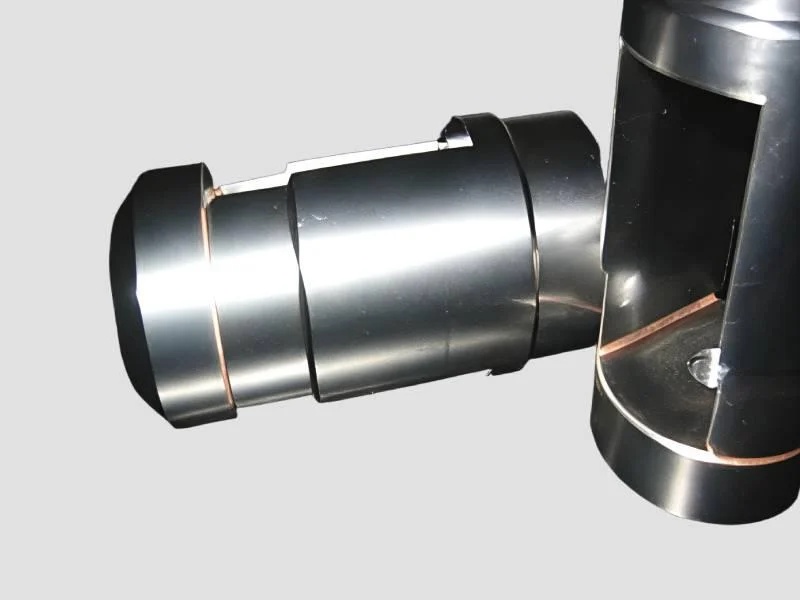
Inert atmosphere brazing joins metals using a protective inert gas, ensuring strong, precise, and oxidation-free joints for critical industrial applications.
Inert atmosphere brazing uses inert gases like nitrogen or argon to prevent oxidation during metal joining. The process ensures uniform heating, precise joints, and high corrosion resistance. It is suitable for complex assemblies and high-value components requiring superior surface quality.
Cheque,NEFT, RTGS
Key Attributes
- Joint strength Up to 500 MPa
- Temperature Uniformity ±5°C
- Atmosphere Control Efficiency >99%
- Corrosion Resistance High (meets ASTM standards)
- Dimensional Accuracy ±0.1 mm
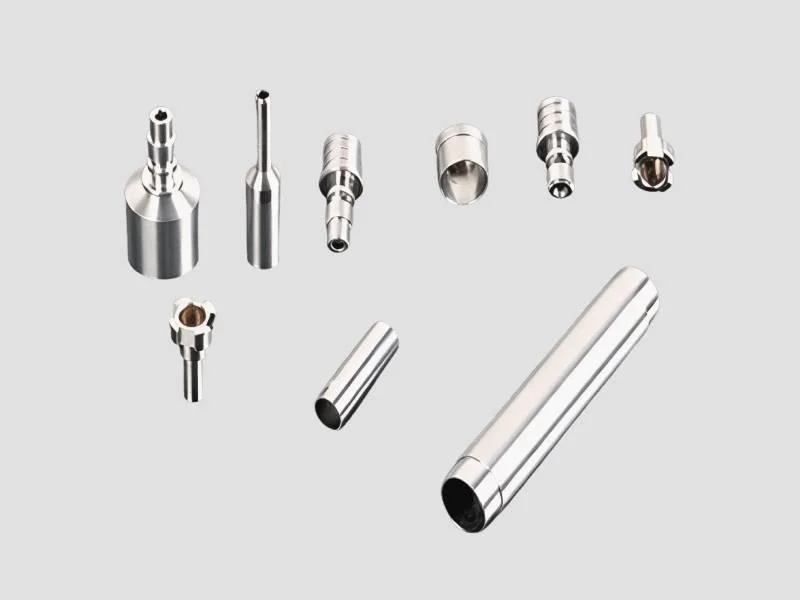
Bright annealing enhances metal surface finish, relieves internal stress, and improves corrosion resistance for stainless steel and other alloys.
Bright annealing is a heat treatment process that removes internal stresses from metals while improving surface appearance. It ensures a smooth, reflective finish, enhances corrosion resistance, and prepares metals for further fabrication or coating. Ideal for stainless steel and high-alloy metals.
Cheque,NEFT, RTGS
Key Attributes
- Surface Finish Quality Mirror-like finish
- Stress Relief Efficiency High
- Corrosion Resistance Improved (meets ASTM standards)
- Dimensional Accuracy ±0.1 mm
- Temperature Uniformity ±5°C
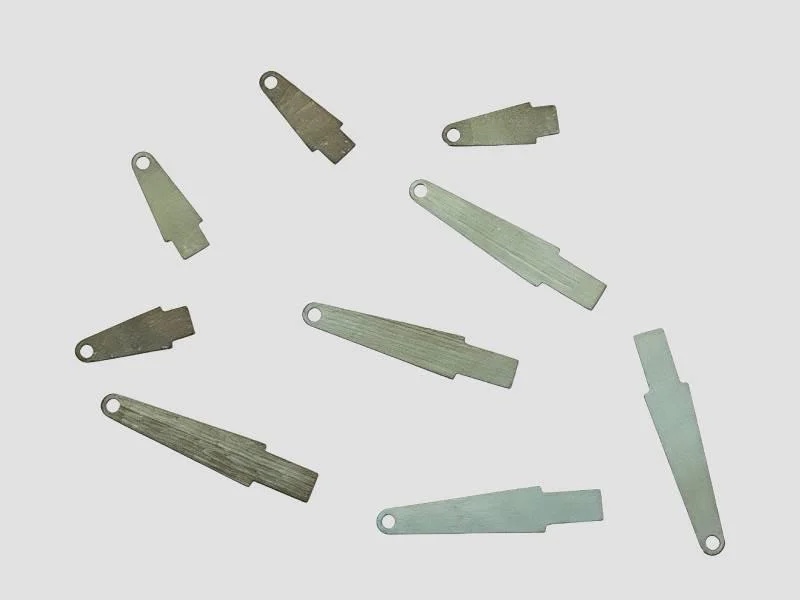
Annealing of bimetal parts relieves internal stresses, improves dimensional stability, and enhances corrosion resistance while maintaining the integrity of dissimilar metals.
Annealing of bimetal parts is a controlled heat treatment process designed to relieve stresses and prevent distortion in components made of dissimilar metals. The process ensures uniform heating, maintains metal integrity, and enhances corrosion resistance and surface quality. It is ideal for precision assemblies and high-performance applications.
Cheque,NEFT, RTGS
Key Attributes
- Stress Relief Efficiency High
- Temperature Uniformity ±5°C
- Dimensional Accuracy ±0.1 mm
- Corrosion Resistance Improved (meets ASTM standards)
- Surface Finish Quality Smooth
- Purpose Stress Relief & Structural Refinement
- Temperature Range 500°C – 900°C (as per material)
- Atmosphere Controlled / Inert Atmosphere
- Heating Method Electric or Gas Furnace
- Cooling Method Controlled Furnace Cooling
- Cycle Time 1–8 hours
- Uniformity ±5°C
- Benefits Improved Ductility, Enhanced Bond Strength, Reduced Residual Stress
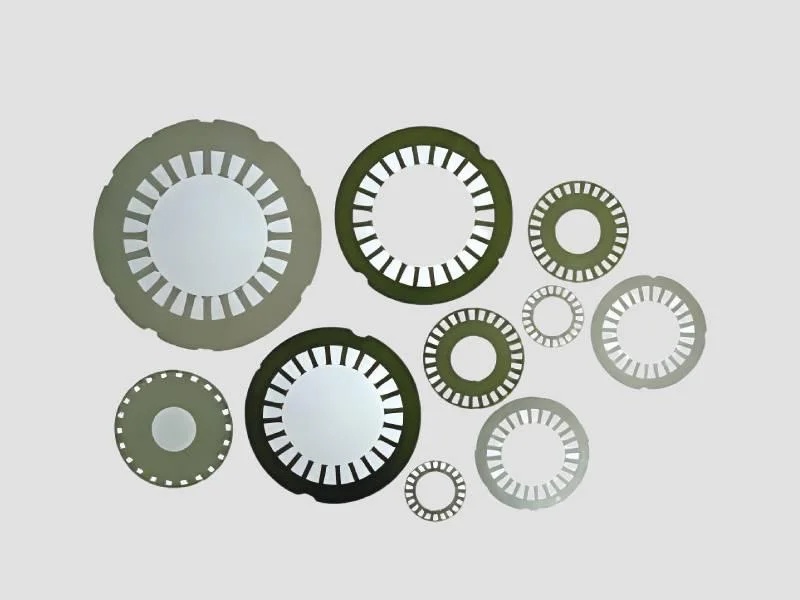
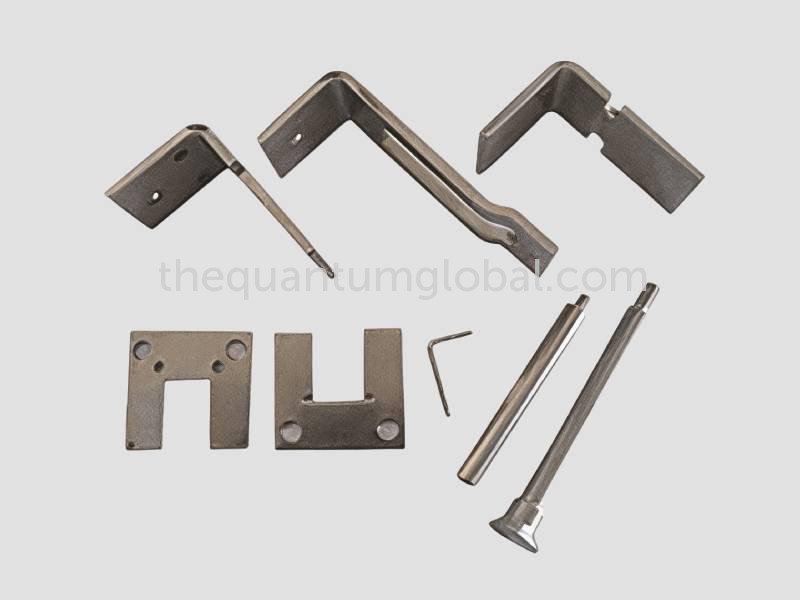
Heat treatment in a hydrogen atmosphere improves metal properties, relieves stress, prevents oxidation, and enhances surface finish and corrosion resistance.
Heat treatment in a hydrogen atmosphere uses a controlled hydrogen environment to prevent oxidation while relieving internal stresses. This process improves surface quality, enhances corrosion resistance, and ensures dimensional stability. It is suitable for stainless steel, high-alloy metals, and precision components.
Cheque,NEFT, RTGS
Key Attributes
- Stress relief efficiency High
- Surface Finish Quality Mirror-Like Finish
- Temperature Uniformity ±5°C
- Hydrogen Atmosphere Control Efficiency >99%
- Dimensional Accuracy ±0.1 mm
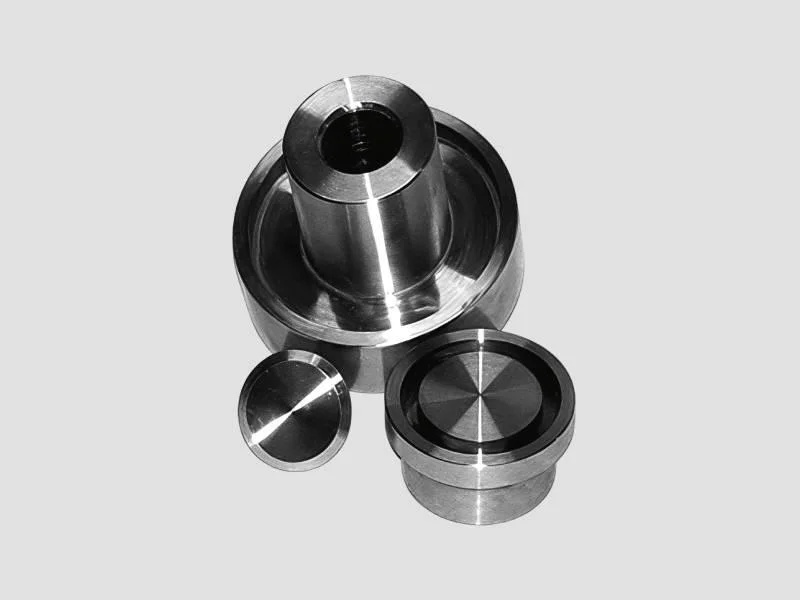
Stainless steel parts annealing relieves internal stresses, improves ductility, and enhances corrosion resistance while maintaining excellent surface quality.
Stainless steel parts annealing is a controlled heat treatment process that restores ductility, removes work hardening effects, and enhances corrosion resistance. The process ensures a clean, bright surface finish and dimensional stability, making it ideal for precision stainless steel components used in industrial and decorative applications.
Cheque,NEFT, RTGS
Key Attributes
- Stress Relief Efficiency High
- Temperature Uniformity ±5°C
- Corrosion Resistance Improved (meets ASTM standards)
- Surface Finish Quality Bright and Smooth
- Dimensional Accuracy ±0.1 mm
- Process Type Heat Treatment
- Purpose Stress Relief & Grain Structure Refinement
- Temperature Range 750°C – 1150°C (depending on grade)
- Atmosphere Inert or Reducing Atmosphere (Hydrogen/Nitrogen)
- Cycle Time 1–6 hours
- Uniformity ±5°C
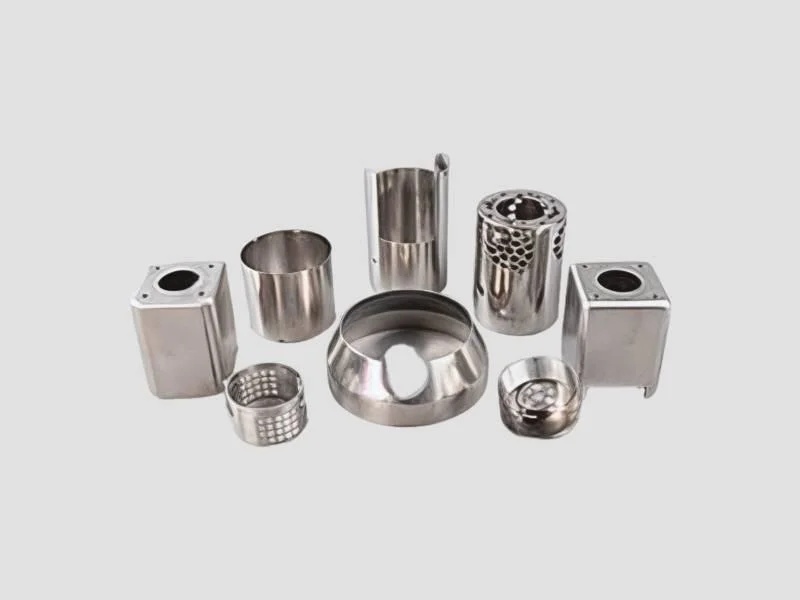
Mu Metal hydrogen annealing enhances magnetic permeability, relieves internal stresses, and restores shielding performance in precision magnetic components.
Mu Metal hydrogen annealing is a precision heat treatment process performed in a controlled hydrogen atmosphere. It relieves internal stresses and restores the magnetic shielding effectiveness of Mu Metal and other high-permeability alloys. The process prevents oxidation, ensures uniform magnetic properties, and maintains dimensional accuracy for sensitive electromagnetic and electronic components.
Cheque,NEFT, RTGS
Key Attributes
- Magnetic permeability improvement High (restores maximum µ)
- Stress Relief Efficiency High
- Hydrogen Atmosphere Purity >99.9%
- Temperature Uniformity ±5°C
- Dimensional Accuracy ±0.05 mm
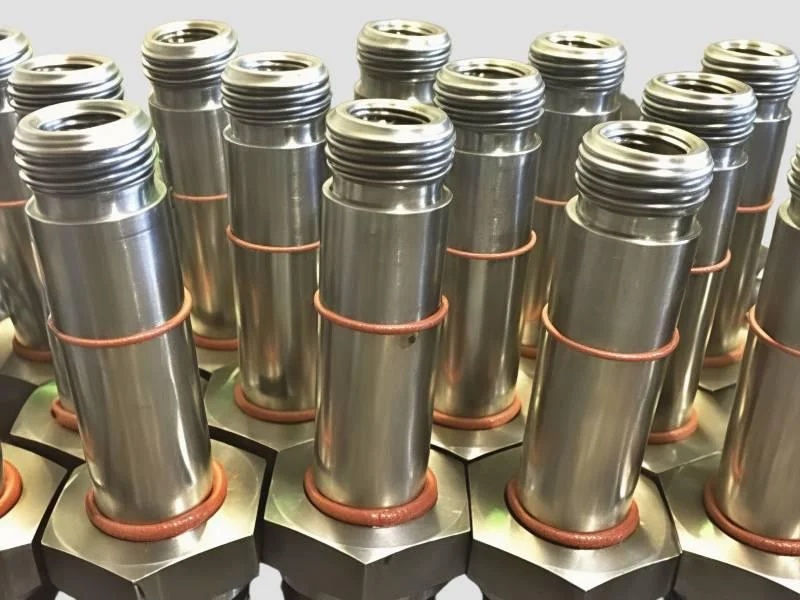
Controlled atmosphere brazing joins metals using precise temperature control and a protective gas atmosphere, ensuring clean, strong, and oxidation-free joints.
Controlled atmosphere brazing (CAB) is a precision metal joining process that uses a protective atmosphere, such as nitrogen or hydrogen, to prevent oxidation during heating. It produces clean, strong, and corrosion-resistant joints with excellent dimensional accuracy. The process is ideal for mass production and complex assemblies in critical industries.
Cheque,NEFT, RTGS
Key Attributes
- Joint Strength Up to 500 MPa
- Temperature Uniformity ±5°C
- Atmosphere Control Efficiency >99%
- Corrosion Resistance High (meets ASTM standards)
- Dimensional Accuracy ±0.1 mm
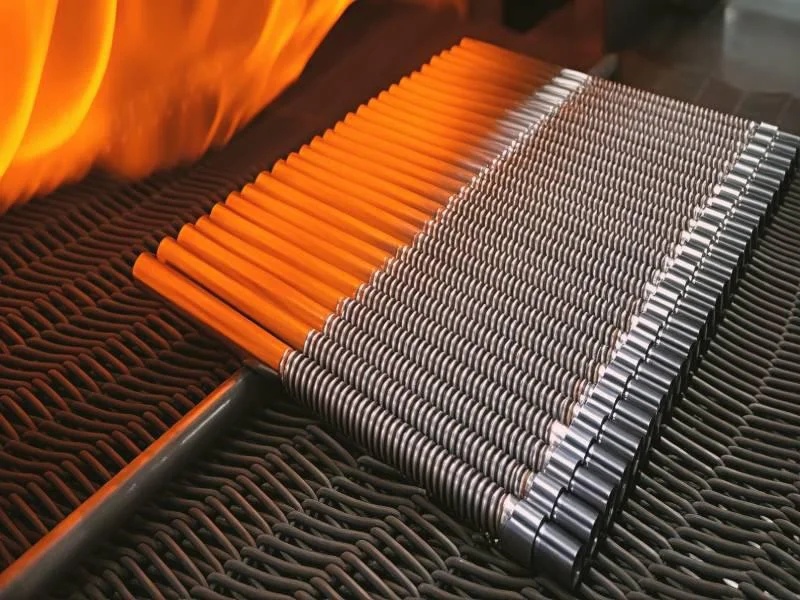
Continuous furnace brazing joins metals in a controlled furnace environment, offering strong, clean, and precise joints ideal for large-scale industrial production.
Continuous furnace brazing is a high-volume, automated brazing process performed in a continuously moving furnace under controlled atmosphere. It ensures consistent heating, uniform joint quality, and oxidation-free surfaces. This process provides strong, precise, and reliable joints suitable for industrial and automotive applications.
Cheque,NEFT, RTGS
Key Attributes
- Joint Strength Up to 500 MPa
- Temperature Uniformity ±5°C
- Atmosphere Control Efficiency >99%
- Corrosion Resistance High (meets ASTM standards)
- Dimensional Accuracy ±0.1 mm
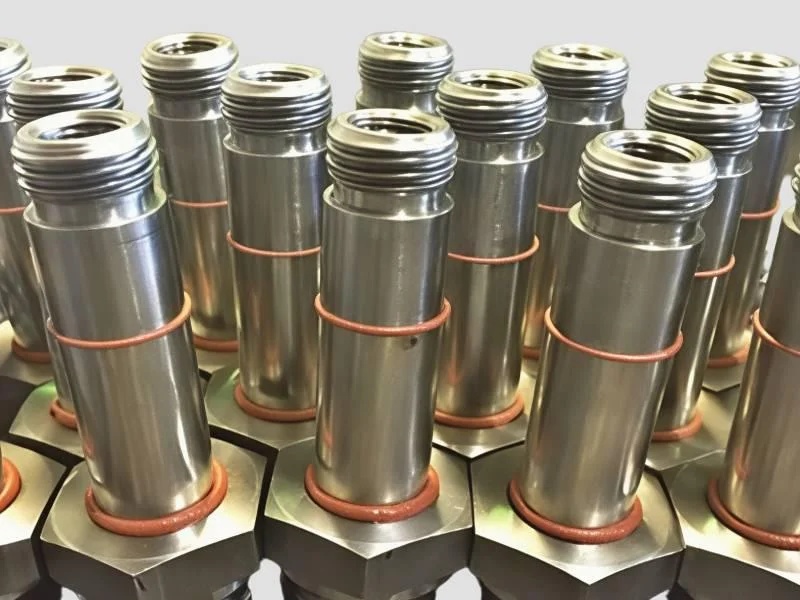
Atmosphere brazing joins metals using a controlled protective gas, ensuring strong, clean, and oxidation-free joints suitable for industrial applications.
Atmosphere brazing is a precision metal joining process performed under a controlled protective atmosphere such as nitrogen or hydrogen. It prevents oxidation, ensures uniform joint quality, and provides strong, corrosion-resistant connections. Ideal for complex assemblies and high-volume production in automotive, aerospace, and industrial applications.
Cheque,NEFT, RTGS
Key Attributes
- Joint strength Up to 500 MPa
- Temperature Uniformity ±5°C
- Atmosphere Control Efficiency >99%
- Corrosion Resistance High (meets ASTM standards)
- Dimensional Accuracy ±0.1 mm
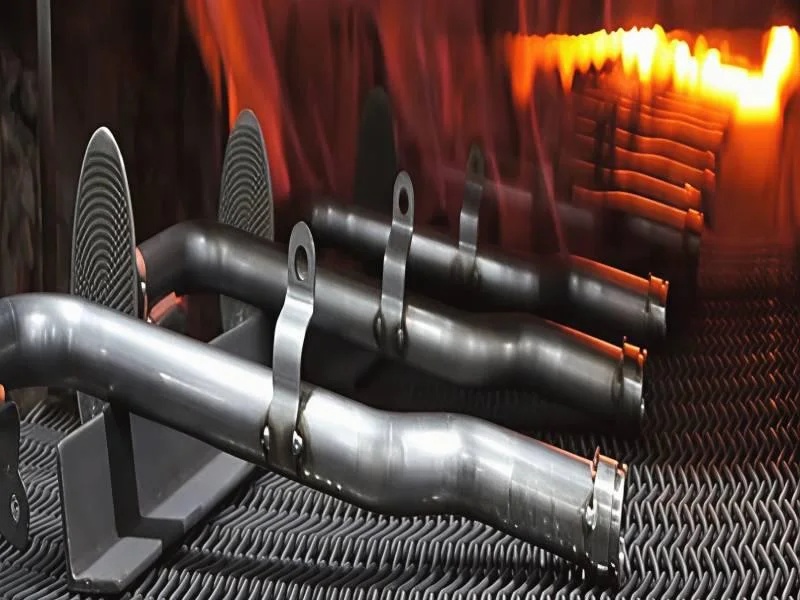
Atmosphere brazing joins metals using a controlled protective gas, ensuring strong, clean, and oxidation-free joints suitable for industrial applications.
Atmosphere brazing is a precision metal joining process performed under a controlled protective atmosphere such as nitrogen or hydrogen. It prevents oxidation, ensures uniform joint quality, and provides strong, corrosion-resistant connections. Ideal for complex assemblies and high-volume production in automotive, aerospace, and industrial applications.
Cheque,NEFT, RTGS
Key Attributes
- Joint strength Up to 500 MPa
- Temperature Uniformity ±5°C
- Atmosphere Control Efficiency >99%
- Corrosion Resistance High (meets ASTM standards)
- Dimensional Accuracy ±0.1 mm
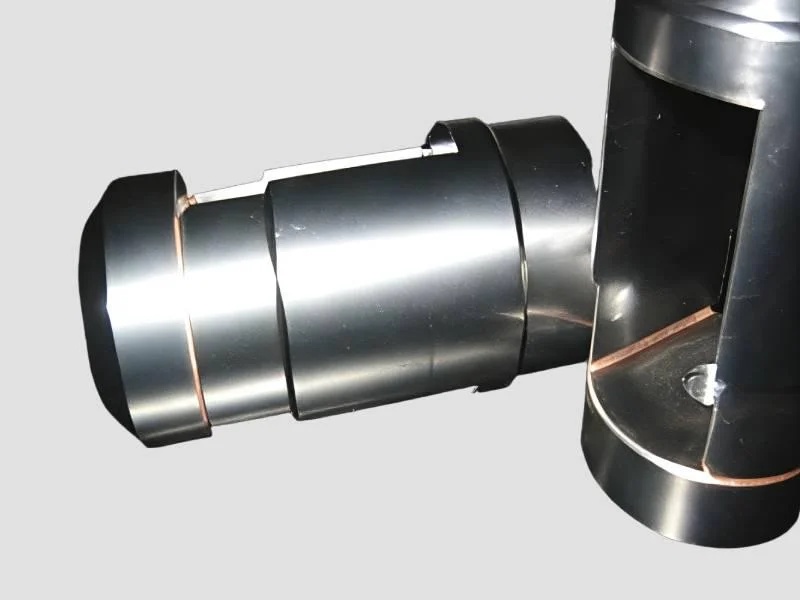
Vacuum brazing joins metals in a controlled vacuum environment, producing clean, strong, and oxidation-free joints with high precision and reliability.
Vacuum brazing is a high-precision metal joining process performed in a vacuum furnace to prevent oxidation. It ensures uniform heating, strong and clean joints, excellent dimensional control, and high corrosion resistance. Ideal for aerospace, automotive, and high-performance industrial applications requiring high-quality joints.
Cheque,NEFT, RTGS
Key Attributes
- Joint Strength Up to 500 MPa
- Temperature Uniformity ±5°C
- Vacuum Level Control Up to 10⁻⁵ mbar
- Corrosion Resistance High (meets ASTM standards)
- Dimensional Accuracy ±0.1 mm
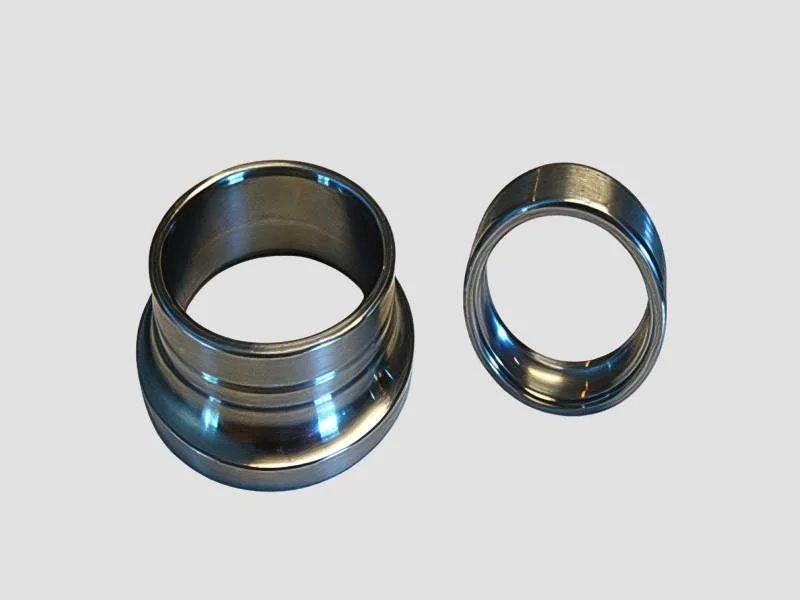
Stress relieving in a hydrogen atmosphere reduces internal stresses, prevents distortion, and improves mechanical properties while protecting metal surfaces from oxidation.
Stress relieving in a hydrogen atmosphere is a heat treatment process that relieves residual stresses in metals. The hydrogen environment prevents oxidation and contamination, ensuring bright surface finishes and dimensional stability. This process is ideal for stainless steel, high-alloy metals, and precision components used in aerospace, automotive, and industrial applications.
Cheque,NEFT, RTGS
Key Attributes
- Stress Relief Efficiency High
- Temperature Uniformity ±5°C
- Hydrogen Atmosphere Purity >99.9%
- Surface Finish Quality Bright and clean
- Dimensional Accuracy ±0.1 mm
- Atmosphere Pure or Dry Hydrogen
- Temperature Range 400°C – 800°C
- Material Compatibility Stainless Steel, Copper, Nickel & Alloy Steels
- Cycle Time 1–6 hours
- Benefits Reduces Residual Stresses, Improves Ductility & Surface Cleanliness
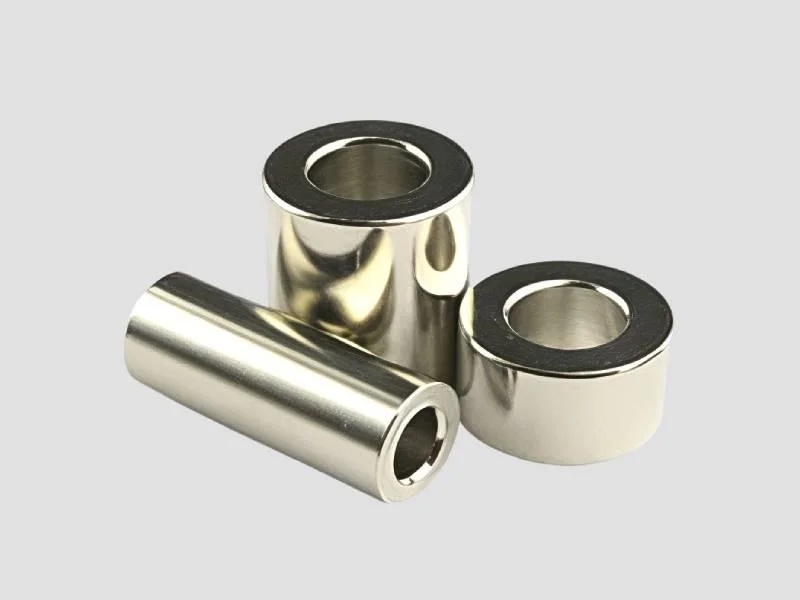
Electroless nickel hardening improves surface hardness, wear resistance, and corrosion protection on metals without the need for electrical current.
Electroless nickel hardening is a chemical deposition process that uniformly coats metal surfaces with a nickel-phosphorus layer. It enhances hardness, wear resistance, and corrosion protection while maintaining tight dimensional tolerances. Ideal for aerospace, automotive, and industrial components requiring precise, durable surfaces.
Cheque,NEFT, RTGS
Key Attributes
- Surface Hardness Up to 750 HV
- Corrosion Resistance High (meets ASTM standards)
- Coating Uniformity ±5 µm
- Layer Thickness 5–25 µm
- Dimensional Tolerance ±0.05 mm
- Coating Type Electroless Nickel (Ni-P or Ni-B Alloy)
- Hardness After Heat Treatment Up to 1000 HV
- Temperature Range 250°C – 400°C
- Atmosphere Inert or Controlled Air
- Benefits Enhanced Wear Resistance, Corrosion Protection & Surface Durability
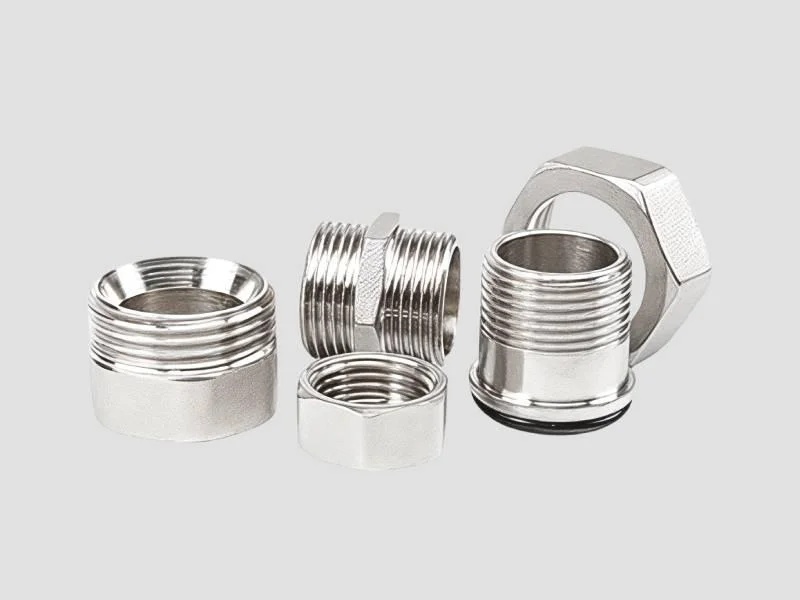
Age hardening in an inert atmosphere increases metal strength, improves hardness, and stabilizes dimensional properties while preventing oxidation during treatment.
Age hardening in an inert atmosphere is a controlled heat treatment process that enhances the mechanical properties of metals. The inert gas environment prevents oxidation and contamination while metals undergo precise heating and cooling cycles. This process ensures increased hardness, improved strength, and dimensional stability, ideal for high-performance alloys and precision components.
Cheque,NEFT, RTGS
Key Attributes
- Hardness Improvement High (meets required standards)
- Strength Enhancement Significant
- Temperature Uniformity ±5°C
- Atmosphere Control Efficiency >99%
- Dimensional Accuracy ±0.1 mm
- Process Type Heat Treatment
- Temperature Range 150°C – 550°C
- Purpose Strength Enhancement / Hardness Improvement
- Cycle Time 1–10 hours (as per alloy)
- Uniformity ±5°C
- Energy Efficiency High
- Oxidation Protection Excellent
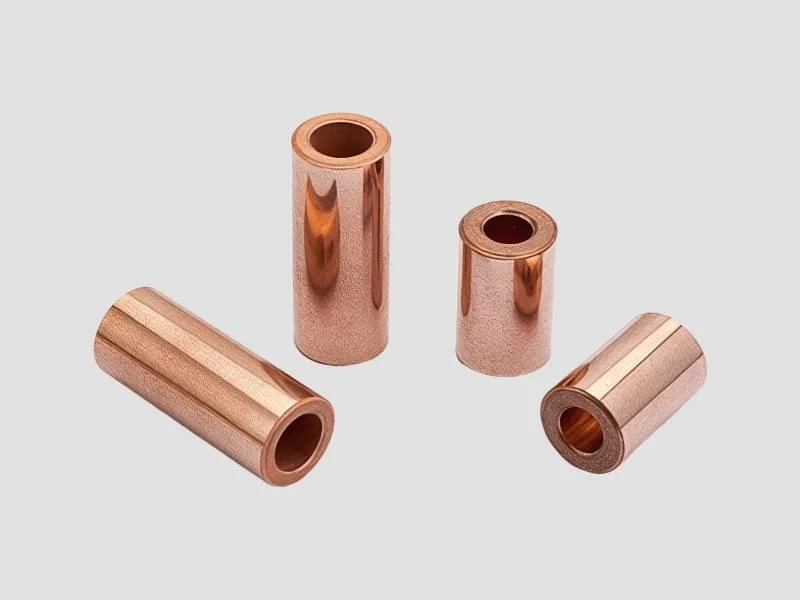
Inert atmosphere sintering densifies metal powders under controlled temperature and inert gas, producing high-strength, precise, and oxidation-free components.
Inert atmosphere sintering is a powder metallurgy process where metal powders are compacted and heated in a controlled inert gas environment. The inert atmosphere prevents oxidation, ensures uniform densification, and improves mechanical properties. The process produces components with excellent strength, dimensional stability, and surface finish, suitable for high-performance applications.
Cheque,NEFT, RTGS
Key Attributes
- Density Improvement High (>95% theoretical density)
- Temperature Uniformity ±5°C
- Atmosphere Control Efficiency >99%
- Dimensional Accuracy ±0.1 mm
- Surface Finish Quality Smooth and clean
- Atmosphere Argon / Nitrogen
- Temperature Range 800°C – 1800°C
- Material Compatibility Stainless Steel, Copper, Titanium, and Alloy Powders
- Cycle Time 2–10 hours
- Benefits Oxidation Prevention & Improved Density
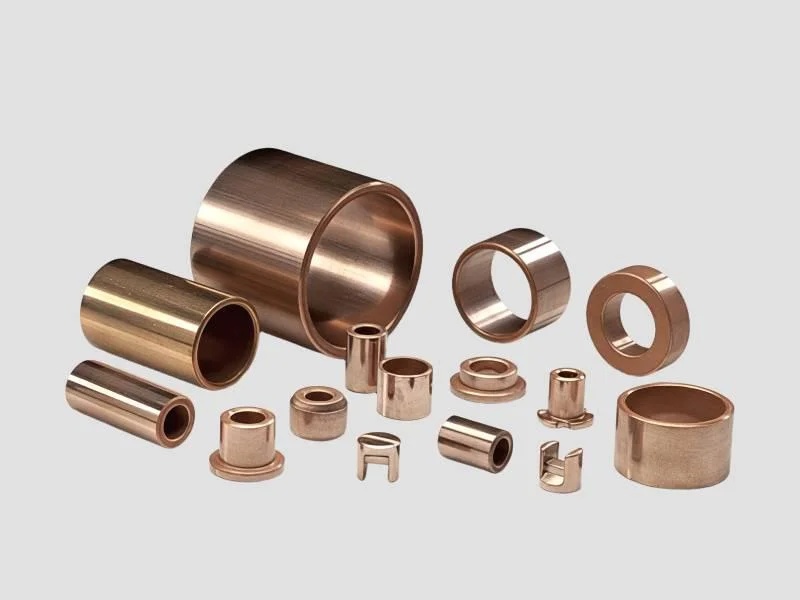
Vacuum sintering densifies metal powders in a controlled vacuum furnace, producing strong, precise, and oxidation-free components with excellent mechanical properties.
Vacuum sintering is a powder metallurgy process performed in a vacuum furnace. It prevents oxidation, ensures uniform densification, and enhances mechanical properties. The process produces high-strength, precise components suitable for aerospace, automotive, and industrial applications requiring tight tolerances and superior surface finish.
Cheque,NEFT, RTGS
Key Attributes
- Density Improvement High (>95% theoretical density)
- Temperature Uniformity ±5°C
- Vacuum Level Control Up to 10⁻⁵ mbar
- Dimensional Accuracy ±0.1 mm
- Surface Finish Quality Smooth and clean
- Atmosphere High Vacuum
- Temperature Range 800°C – 2500°C (depending on material)
- Cooling Method Controlled or Inert Gas Cooling
- Cycle Time 2–12 hours
- Uniformity ±3°C
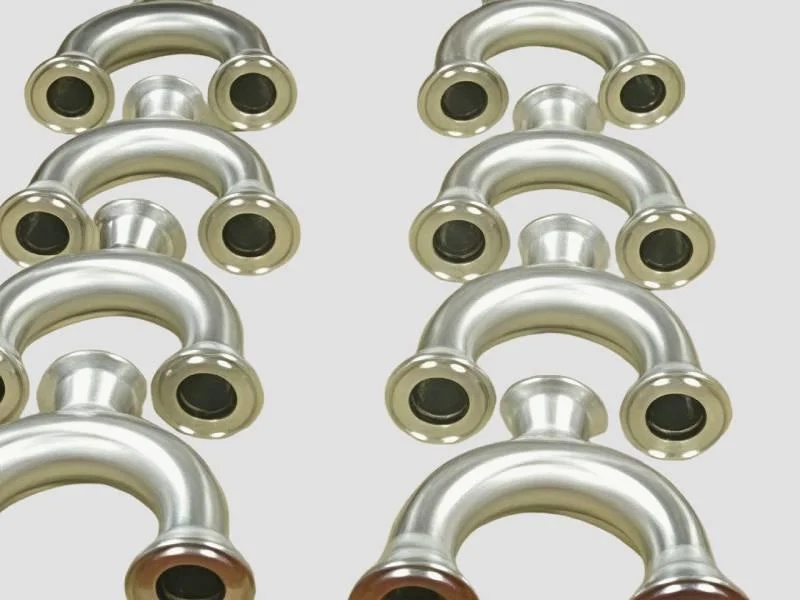
Titanium heat treatment enhances strength, relieves internal stresses, improves ductility, and ensures dimensional stability for titanium and its alloys.
Titanium heat treatment is a controlled thermal process that improves mechanical properties, relieves residual stresses, and enhances corrosion resistance. It ensures uniform heating and dimensional stability, suitable for aerospace, medical, and industrial titanium components.
Cheque,NEFT, RTGS
Key Attributes
- Strength Improvement High
- Stress Relief Efficiency High
- Temperature Uniformity ±5°C
- Corrosion Resistance Enhanced
- Dimensional Accuracy ±0.1 mm
- Temperature Range 480°C – 980°C (depending on alloy grade)
- Material Compatibility Titanium & Titanium Alloys (e.g., Ti-6Al-4V)
- Heating Method Vacuum / Electric Resistance Furnace
- Cooling Method Controlled Furnace or Forced Gas Cooling
- Cycle Time 1–10 hours
- Uniformity ±3°C