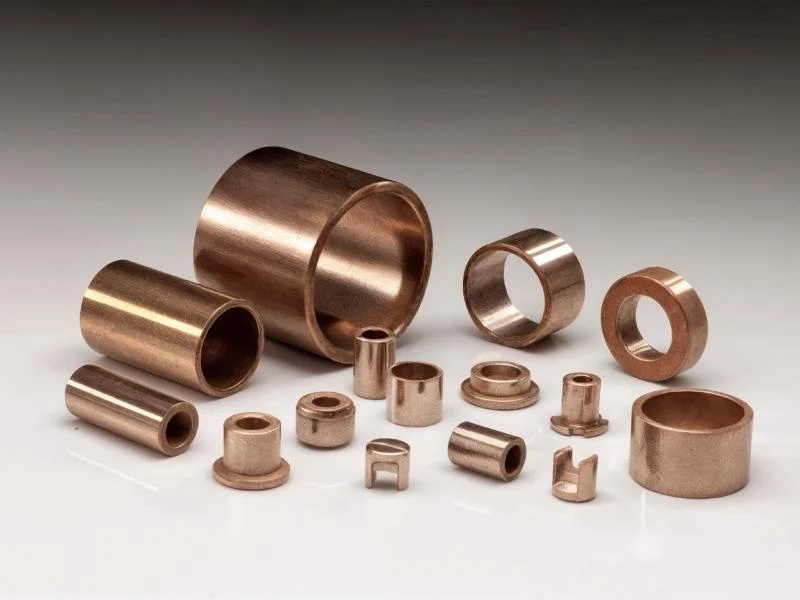
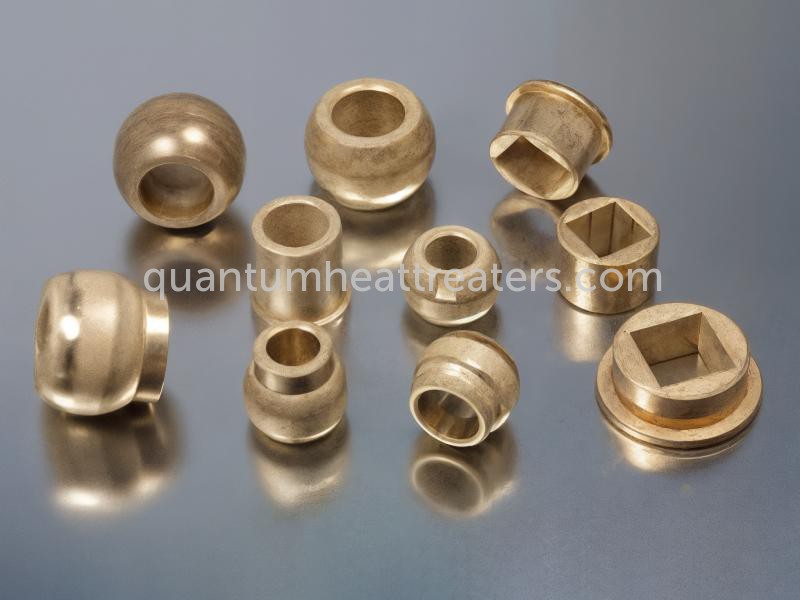
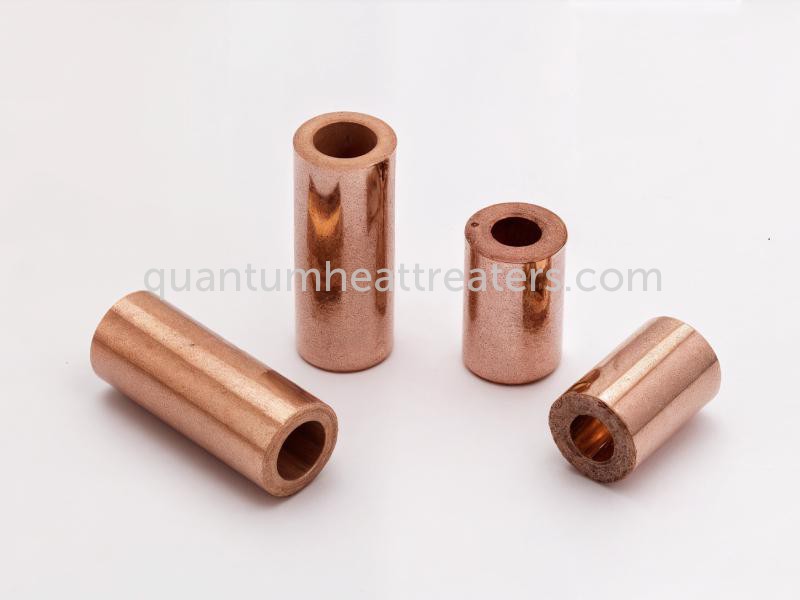
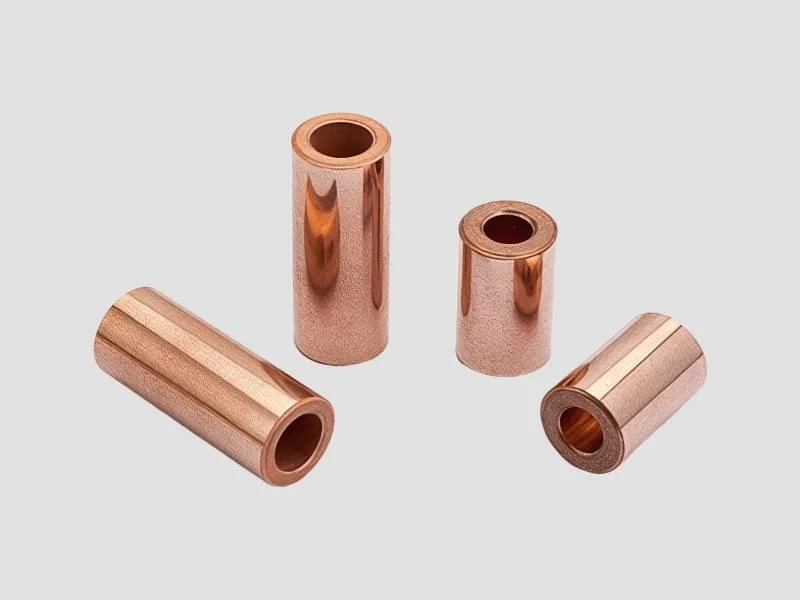
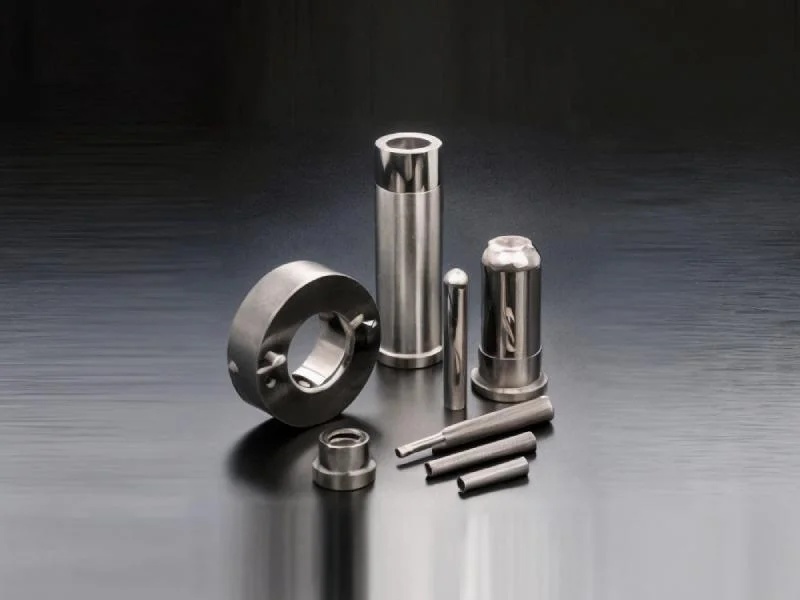
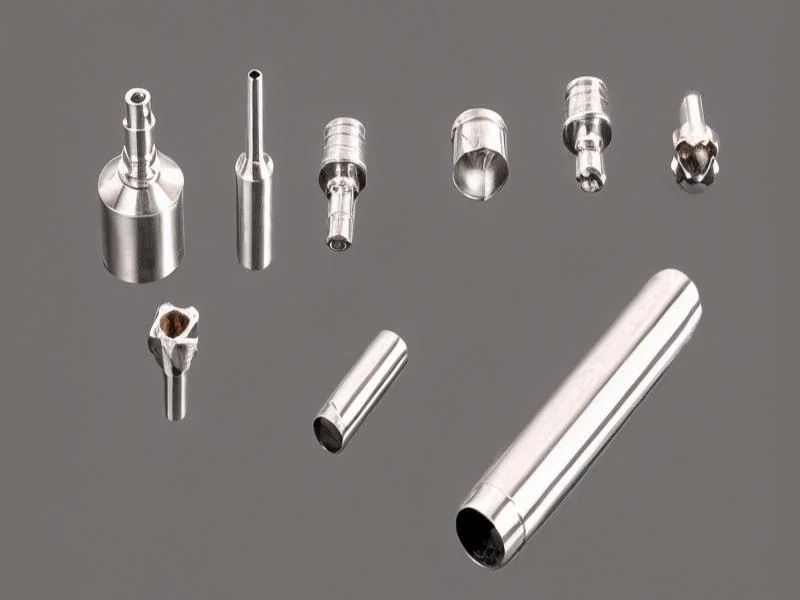
We provide precision sintering services to densify metal powders, enhance mechanical strength, and improve material properties through controlled heat treatment processes for industrial and engineering applications.
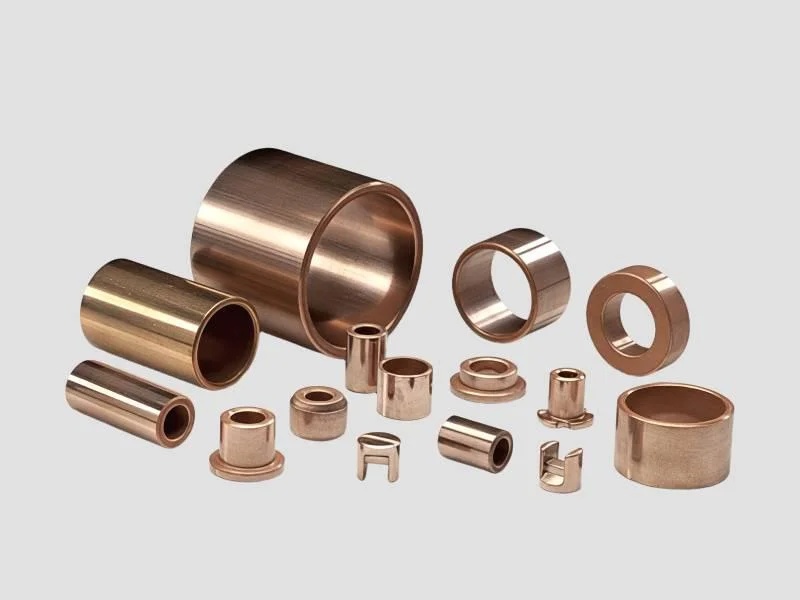
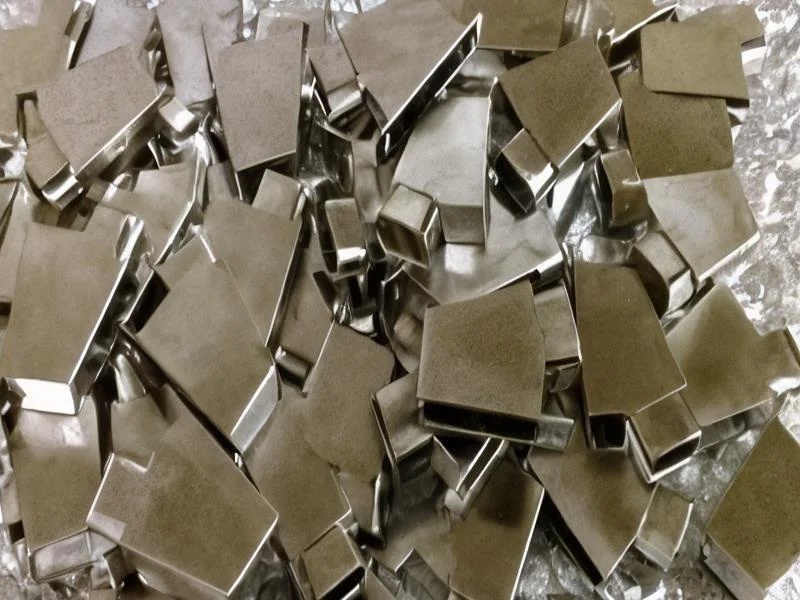
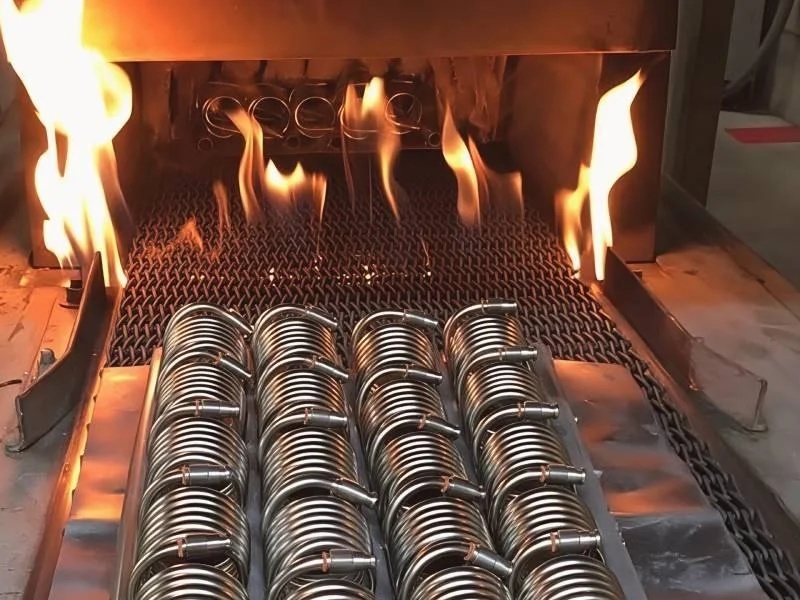
Our sintering service treats metal powders at controlled temperatures below the melting point to achieve densification, improved strength, and enhanced material properties. The process ensures uniform heating, reduces porosity, and preserves surface integrity. Ideal for automotive, aerospace, electronics, and industrial components, it delivers consistent quality and high-performance results.
Cash,Cheque
Key Attributes
Densification efficiency98%
Temperature uniformity±5°C
Porosity reduction90%
Process repeatability100%
Surface integrity retention100%
Inert atmosphere sintering densifies metal powders under controlled temperature and inert gas, producing high-strength, precise, and oxidation-free components.
Inert atmosphere sintering is a powder metallurgy process where metal powders are compacted and heated in a controlled inert gas environment. The inert atmosphere prevents oxidation, ensures uniform densification, and improves mechanical properties. The process produces components with excellent strength, dimensional stability, and surface finish, suitable for high-performance applications.
Cheque,NEFT, RTGS
Key Attributes
Density ImprovementHigh (>95% theoretical density)
Temperature Uniformity±5°C
Atmosphere Control Efficiency>99%
Dimensional Accuracy±0.1 mm
Surface Finish QualitySmooth and clean
AtmosphereArgon / Nitrogen
Temperature Range800°C – 1800°C
Material CompatibilityStainless Steel, Copper, Titanium, and Alloy Powders
Cycle Time2–10 hours
BenefitsOxidation Prevention & Improved Density
Vacuum sintering densifies metal powders in a controlled vacuum furnace, producing strong, precise, and oxidation-free components with excellent mechanical properties.
Vacuum sintering is a powder metallurgy process performed in a vacuum furnace. It prevents oxidation, ensures uniform densification, and enhances mechanical properties. The process produces high-strength, precise components suitable for aerospace, automotive, and industrial applications requiring tight tolerances and superior surface finish.
Cheque,NEFT, RTGS
Key Attributes
Density ImprovementHigh (>95% theoretical density)
Temperature Uniformity±5°C
Vacuum Level ControlUp to 10⁻⁵ mbar
Dimensional Accuracy±0.1 mm
Surface Finish QualitySmooth and clean
AtmosphereHigh Vacuum
Temperature Range800°C – 2500°C (depending on material)